Gabion Ideas: 15 Ways to Use Gabion Baskets in Gardens, Landscaping and Site Works
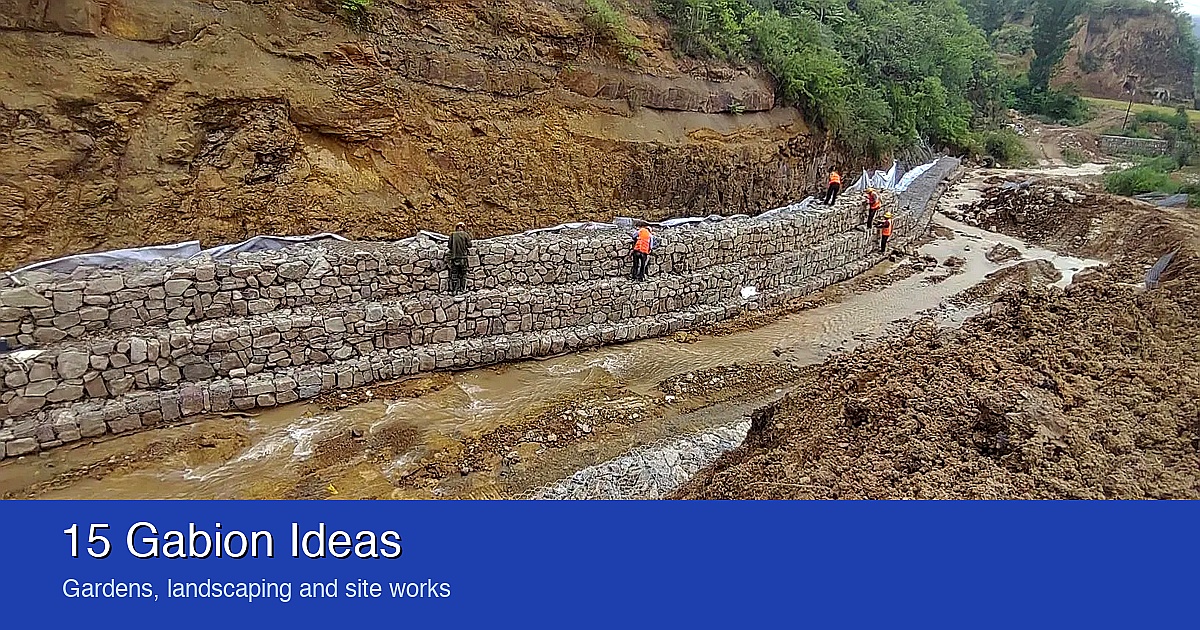
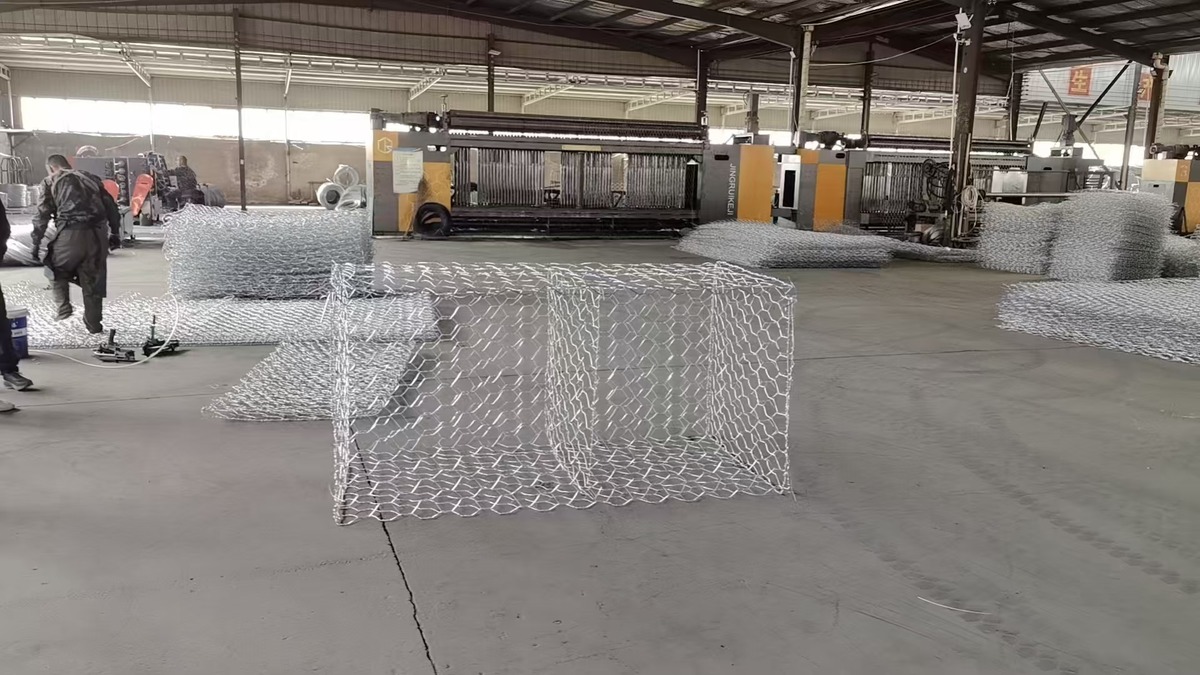
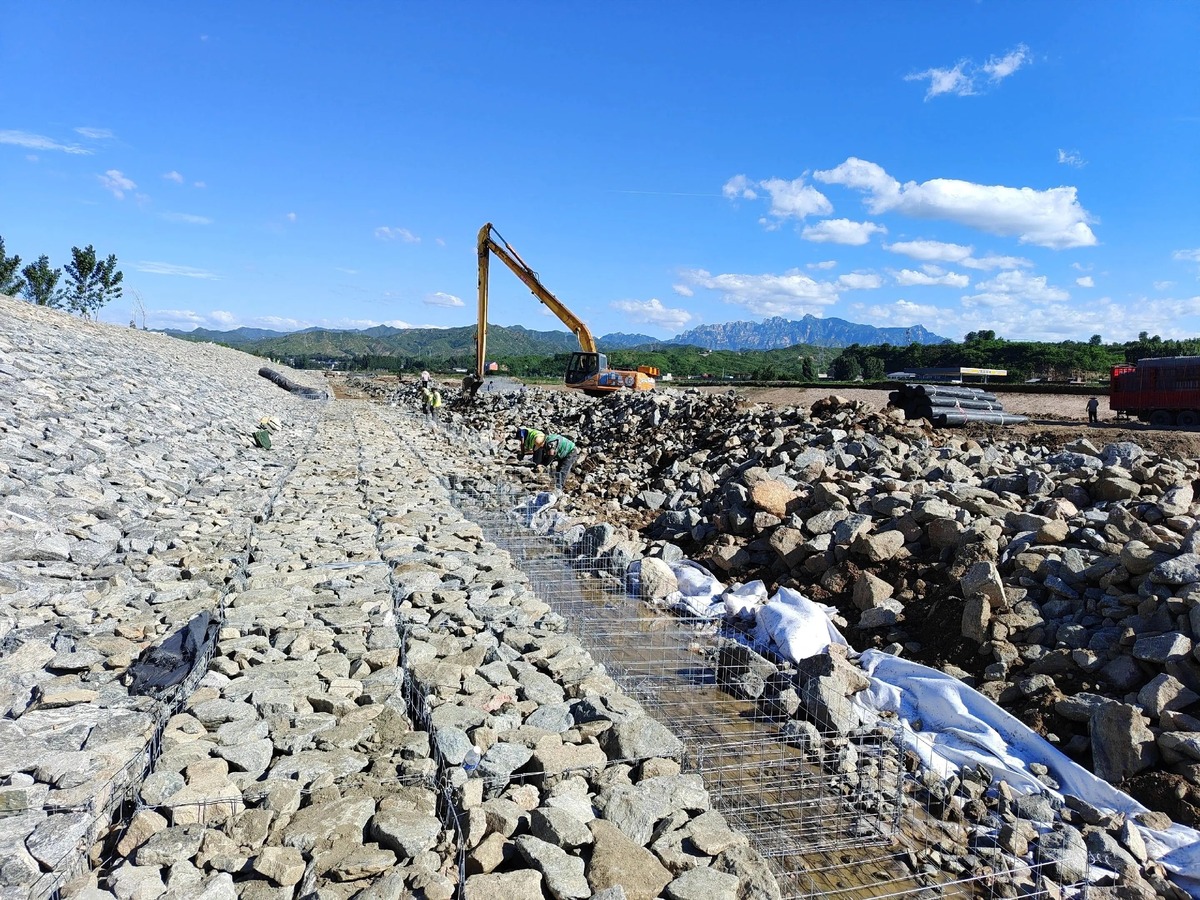
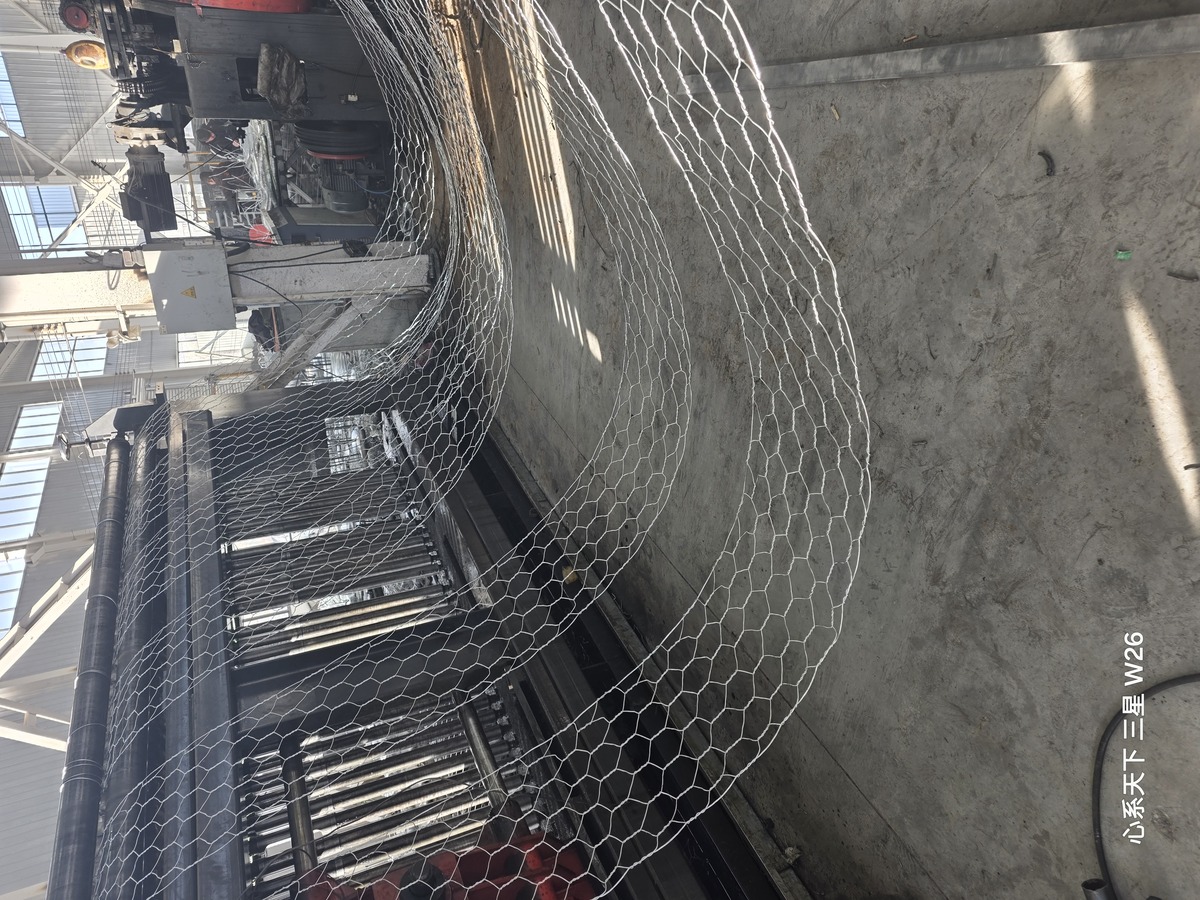
Every winter our factory floor does the same thing: thousands of identical wire baskets, folded flat, strapped on pallets, waiting for a river. In 2021 a truckload of them left here for a Yellow River flood section in Inner Mongolia, where the crew filled them with rock in waist-deep water and the bank held. Nobody on that job called them beautiful. They called them fast.
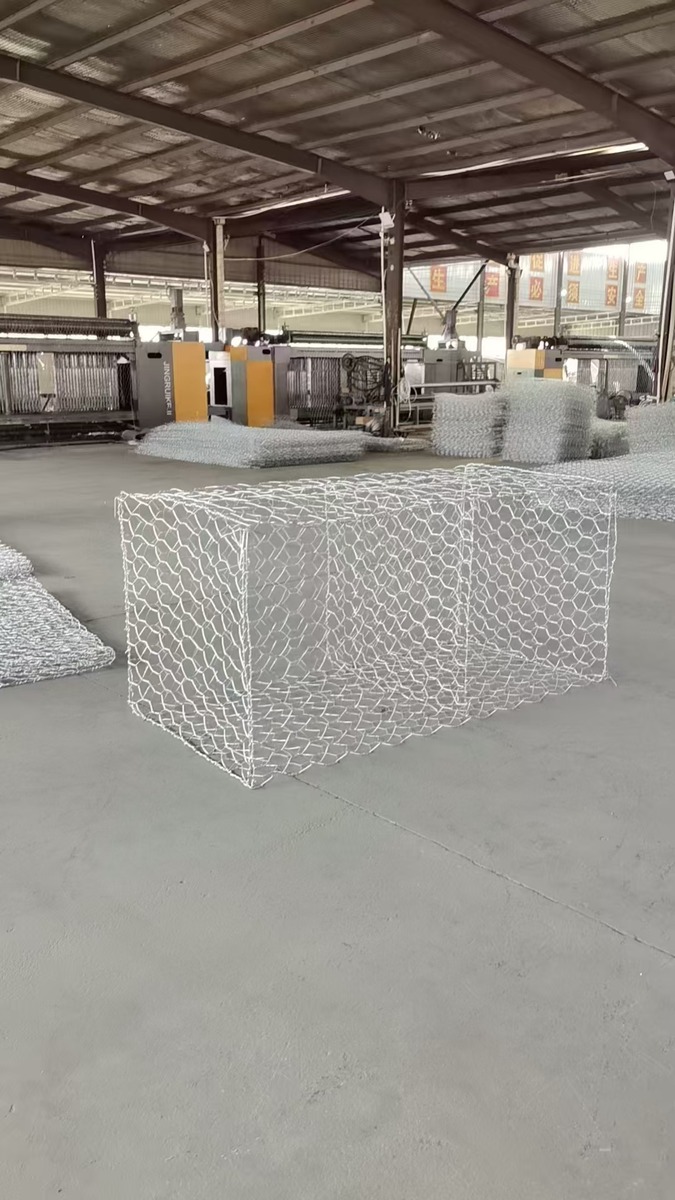
The strange part is what happened to the same basket when it walked out of the river. Landscapers started ordering the identical 2×1×1 metre units, filling them with nicer stone, and standing them up in hotel courtyards. Then homeowners ordered half-metre versions for garden walls, benches, even fire pits. We now sell the same mesh to flood engineers and to wedding venues, and the questions are identical: which mesh size, which wire, which stone.
This is the list we send back - fifteen gabion ideas that actually get built, in the order people usually ask about them, with the basket specification that suits each one. Nothing here is decorative theory. Every idea below is something we have cut, woven and shipped this year.
From the factory floor
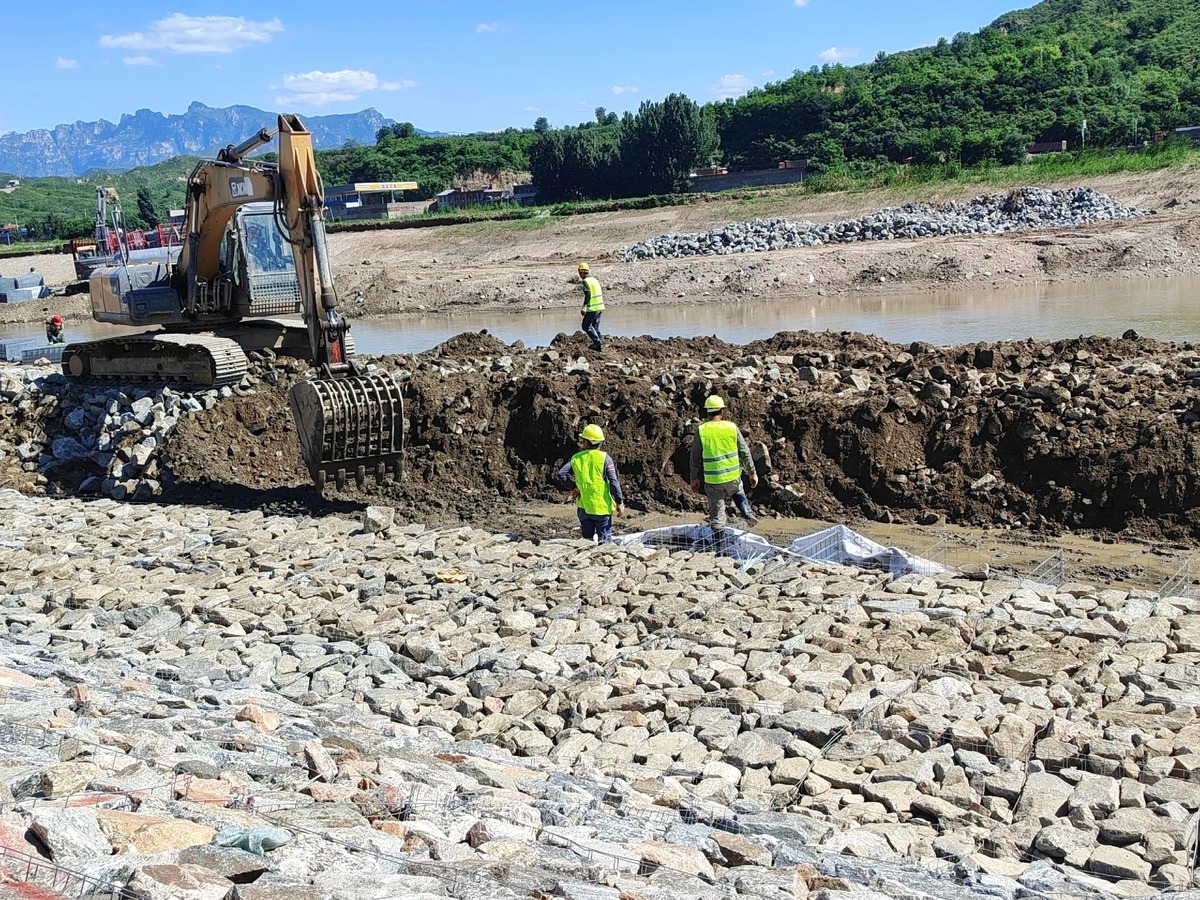
On the Inner Mongolia flood job the baskets went in wet, got filled from both banks, and were stepped on within the hour. That same tolerance for abuse is why gabions work in a garden: nothing is mortared, nothing cracks, and if the ground moves a little, the basket just leans with it. The difference between a river job and a courtyard job is not the basket — it is the stone you put in it and the coating you choose for it.
What actually matters, whatever you build
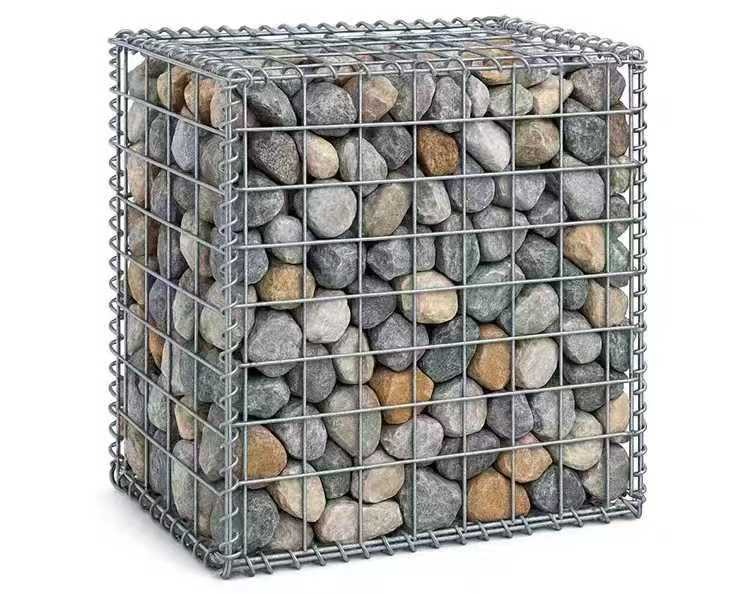
• The stone does the work. Size it at 1.5 to 2 times the mesh opening, and hand-place the visible face. Everything else is detail.
• Match the coating to the weather. Indoor and dry-climate garden features are fine on standard galvanised wire. Outdoor walls, pools and coastal sites need heavy zinc at 245 g/m² or a zinc-aluminium coating.
• Flat faces come from bracing, not luck. Internal wind braces every 300 mm of fill height are what stop the “bulging beer-belly” look that ruins most DIY gabion walls.
• Anything over 1 metre tall is a structure. Retaining walls at that height may need approval and an engineer in many countries — check before you fill, not after.
1–8. Garden and Backyard Gabion Ideas
These eight are the ones homeowners and landscapers order week after week. All of them use welded mesh panels or small woven baskets, most stand under one metre, and none of them need mortar, footings deeper than a spade, or a crew.
01
Garden retaining walls
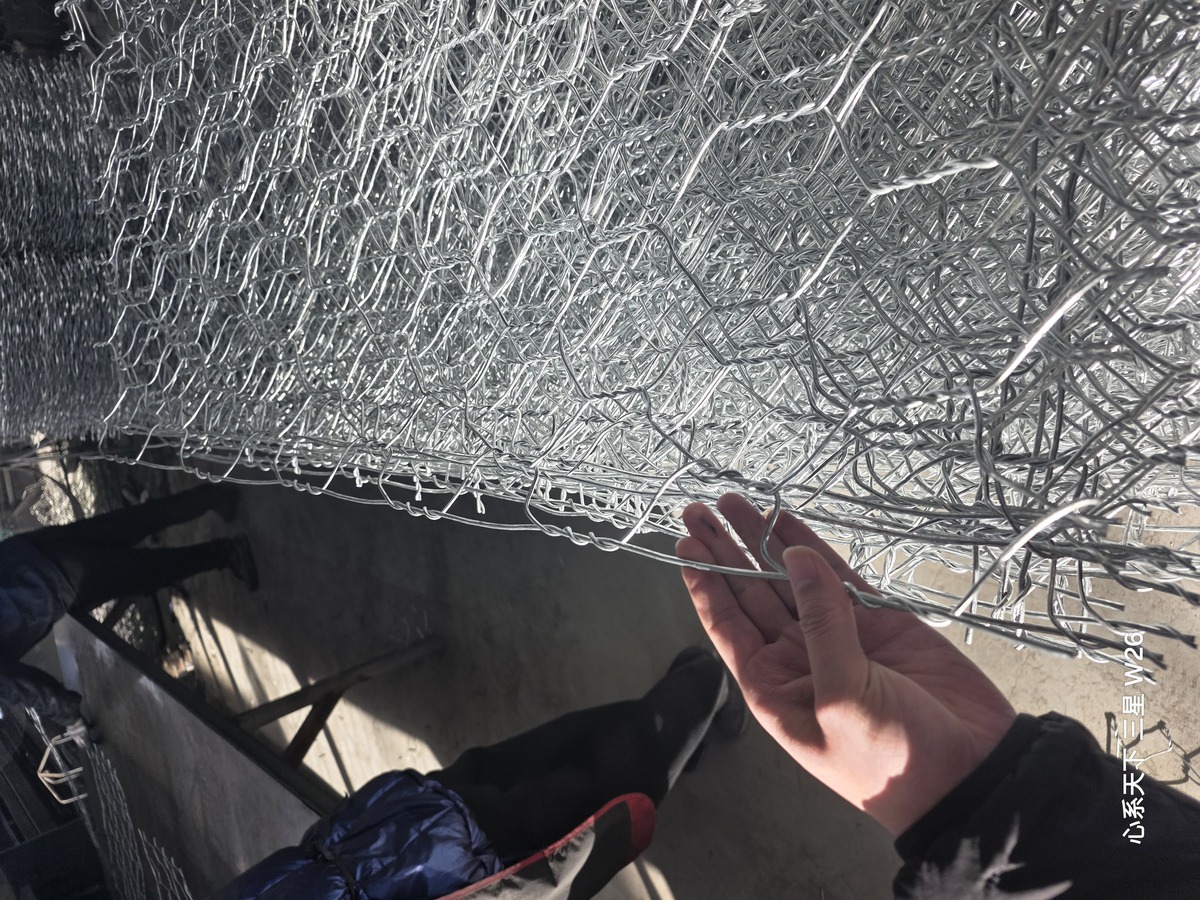
The gateway gabion idea. A row of 2×1×0.5 m baskets on a levelled gravel bed holds back a sloped lawn, and a second row behind it makes a terrace. Use 80×100 mm mesh in 2.7 mm wire for anything you will lean on; the extra wire weight is cheap insurance against the face going soft over time.
02
Raised gabion planters
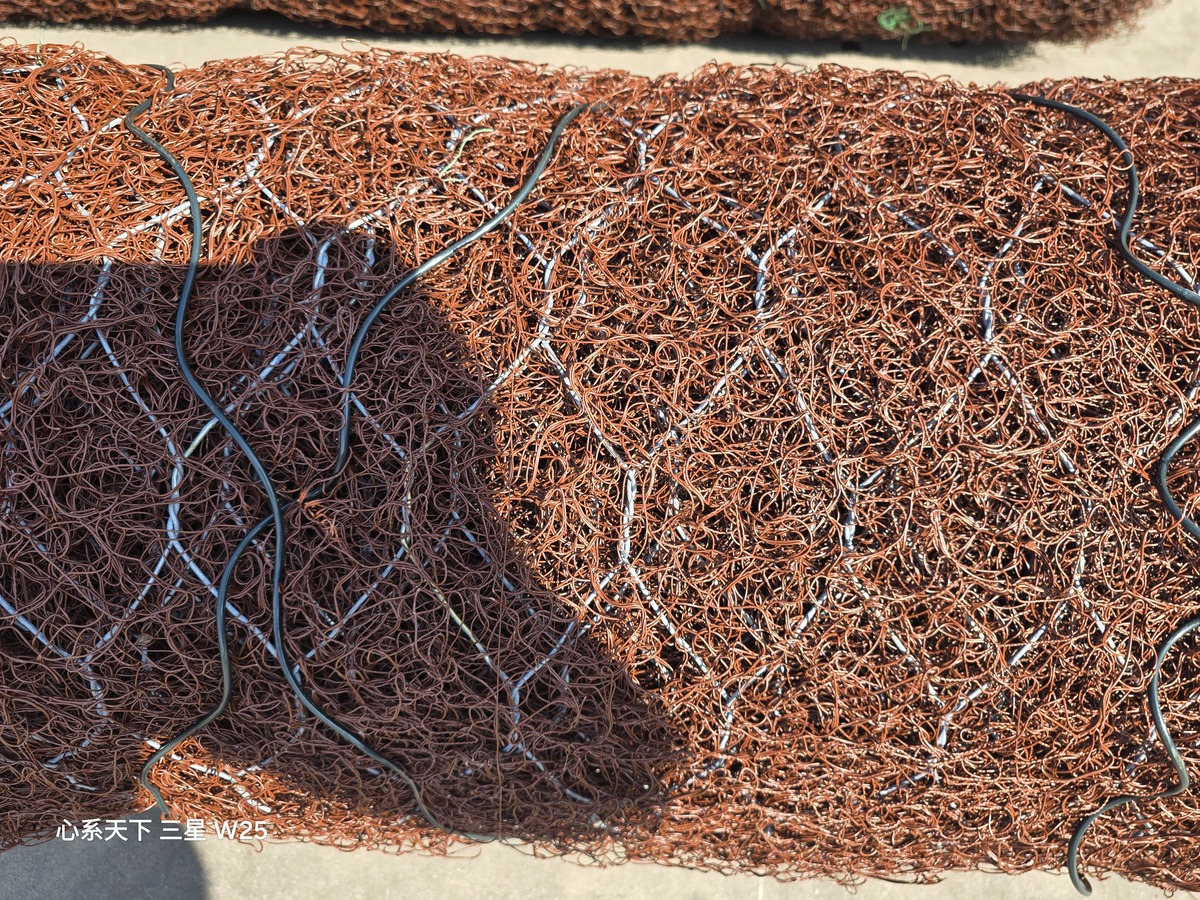
A gabion planter is a wire box with the soil in a lined core, not loose between the stones. Line the inside with geotextile, drop the soil column in the middle, and hand-place stone around it. Herbs and succulents love the drainage; we have seen two-year-old planters with lavender growing straight out of the mesh face.
03
Gabion benches
Two 1×0.5×0.5 m baskets, a hardwood top, done. A gabion bench carries more weight than it will ever see — the filled baskets weigh 1.5 tonnes per cubic metre before anyone sits down. Keep the top baskets free of sharp wire ends by folding lacing wire into the body, and round the timber overhang so it sheds rain.
04
Fire pit surrounds
A ring of small baskets around a steel fire liner looks like masonry and laughs at heat cycles that crack blockwork. One warning from experience: never fill a fire pit surround with river stone. Trapped moisture inside rounded wet stone can burst it when heated. Use angular, dry, crushed rock and keep a steel liner between the flame and the baskets.
05
Gabion fence posts and columns
Square columns of 300–500 mm, spaced two to three metres apart, with timber or mesh infill between them — the fastest way to fence a long boundary without a concrete footing at every post. Bury the base course 150–200 mm and the column anchors itself by sheer weight.
06
Full gabion boundary fences
Take the idea further and the whole fence becomes stone: a continuous 0.3 m wide gabion wall, usually 1.5–1.8 m tall. It outlasts timber, shrugs off termites and rot, and doubles as a sound barrier near a road. At this height you are building a wall, so a level compacted base stops being optional.
07
Letterbox and entry pillars
The smallest gabion idea that sells: a 300 mm column, one metre tall, with a letterbox slot or a house number plate. It is also how we suggest first-time buyers test a supplier — order one pillar kit, fill it on a weekend, and you will know everything about the mesh quality before you commit to forty metres of wall.
08
Pond edges and water features
Baskets love water; zinc does not love stagnant, dirty water. For pond surrounds and rill walls, specify the heavier coatings — heavy galvanised at 245 g/m² or zinc-aluminium — and keep the water moving or lined. Done right, a wet gabion edge grows moss and softens faster than any rendered wall.
9–11. Landscape and Commercial Gabion Ideas
9. Steps and stair risers
Shallow baskets laid as treads make steps that cannot rot, slip or burn. Fill the front 200 mm by hand with flat stone laid like a dry-stone face, and cap each tread with a single row of larger flat stones so nobody catches a toe on mesh. On a slope, stagger the baskets so each tread overlaps the one below by at least 100 mm.
10. Outdoor kitchens and BBQ bases
A gabion barbecue base costs a fraction of brickwork and survives things brickwork cannot. Build the carcass from 0.5 m deep welded units, keep the firebox in steel, and run a stone or concrete worktop across the top. The mesh face hides wheelie bins, gas bottles and every other ugly thing an outdoor kitchen collects.
11. Cladding tired concrete walls
Our favourite commercial trick: stand a 150–200 mm deep gabion skin 50 mm off a cracked concrete retaining wall, tie it back with threaded rod, and fill it with attractive stone. The old wall keeps doing the structural work, the gabion takes the weather and the compliments. Hotels and car parks order these by the pallet.
12–15. The Civil Side of the Same Basket
12. Flood and erosion emergency works
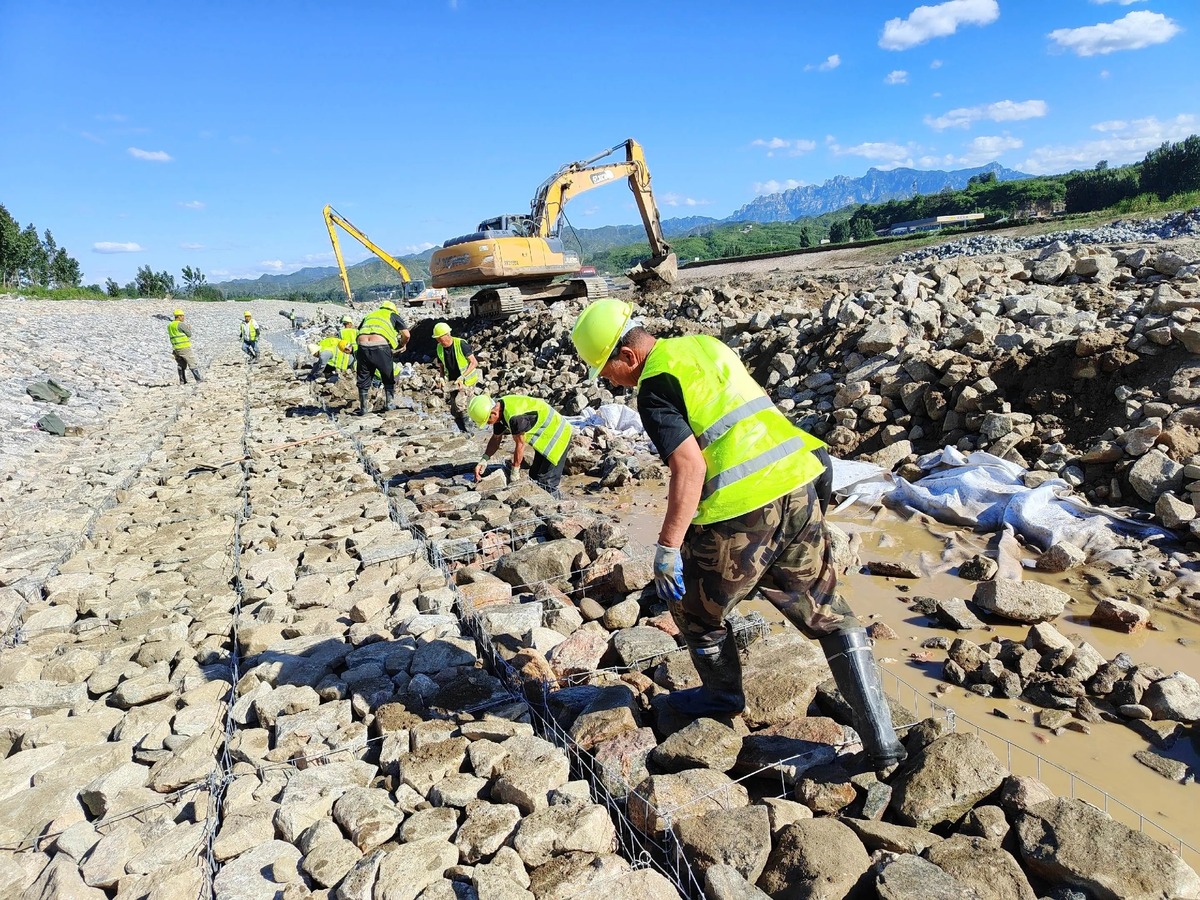
The reason the basket exists. On that Inner Mongolia section the crew placed empty baskets ahead of the water, filled them in place from both banks, and closed the lids while the river was already up. Nothing else civil-engineered goes in that fast with that little plant. If your site floods before it is finished, gabions are one of the few materials that can be installed in the water.
13. Riverbank and channel protection
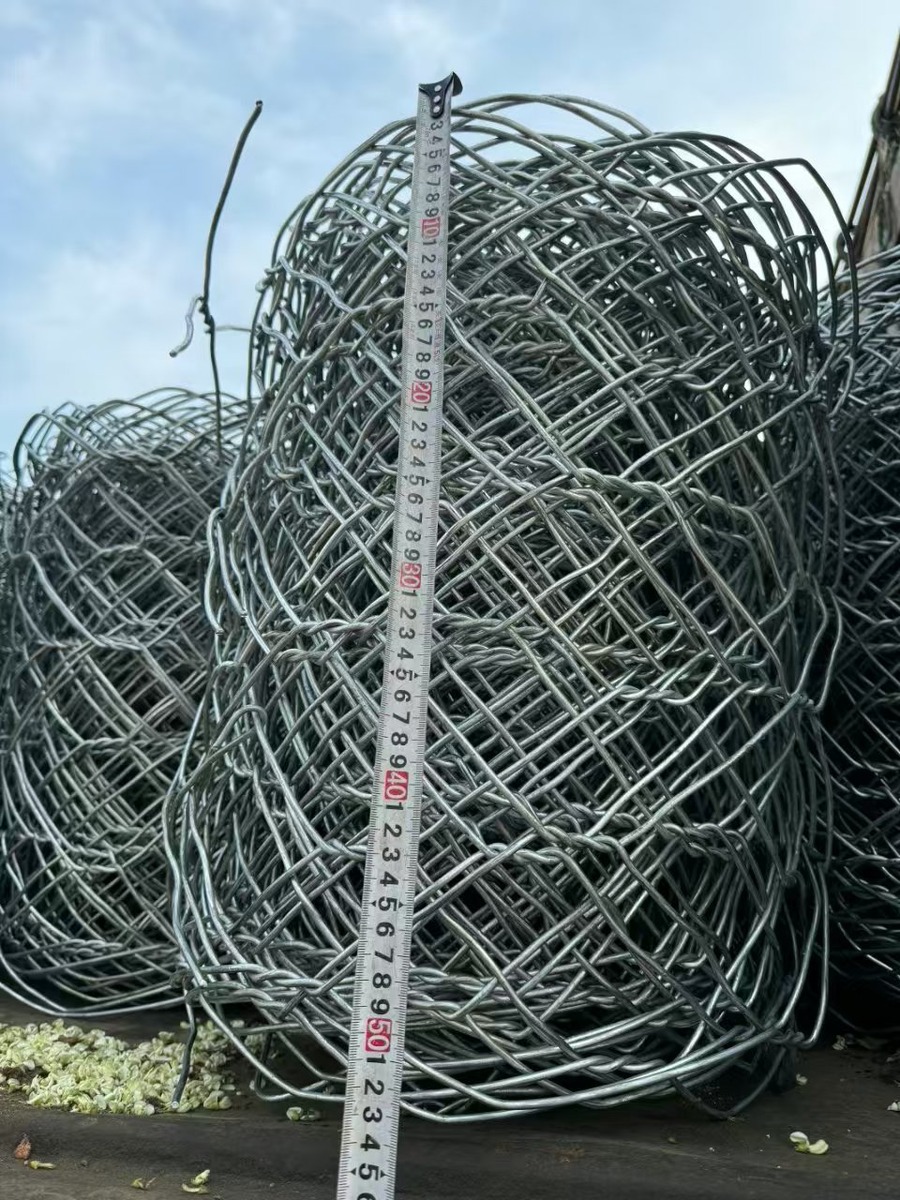
Baskets become mattresses — the same mesh in 0.3 m deep units — laid along a bank or channel bed. Water passes through the stone instead of pushing on it, so the structure relieves pressure instead of fighting it, and silt and plants move into the voids within a season. Five years in, a vegetated mattress is stronger than the day it was laid.
14. Roadside noise barriers
A 0.5–1 m wide gabion wall along a road cuts tyre noise the way mass always does, and unlike a timber acoustic fence it does not rot at the ground line. Slope protection and roadside jobs in our order book increasingly specify gabions for exactly this double duty: hold the cut slope, quiet the road.
15. Slope stabilisation with a face you can plant
Stacked in tiers with geogrid tails running back into the slope, gabion baskets hold cuts that concrete would price out of the job. Leave the joints between face stones un-pointed, sweep soil into the voids, and the slope greens itself. The engineers get their factor of safety; the neighbours get a hillside instead of a grey wall.
Matching the Basket to the Idea
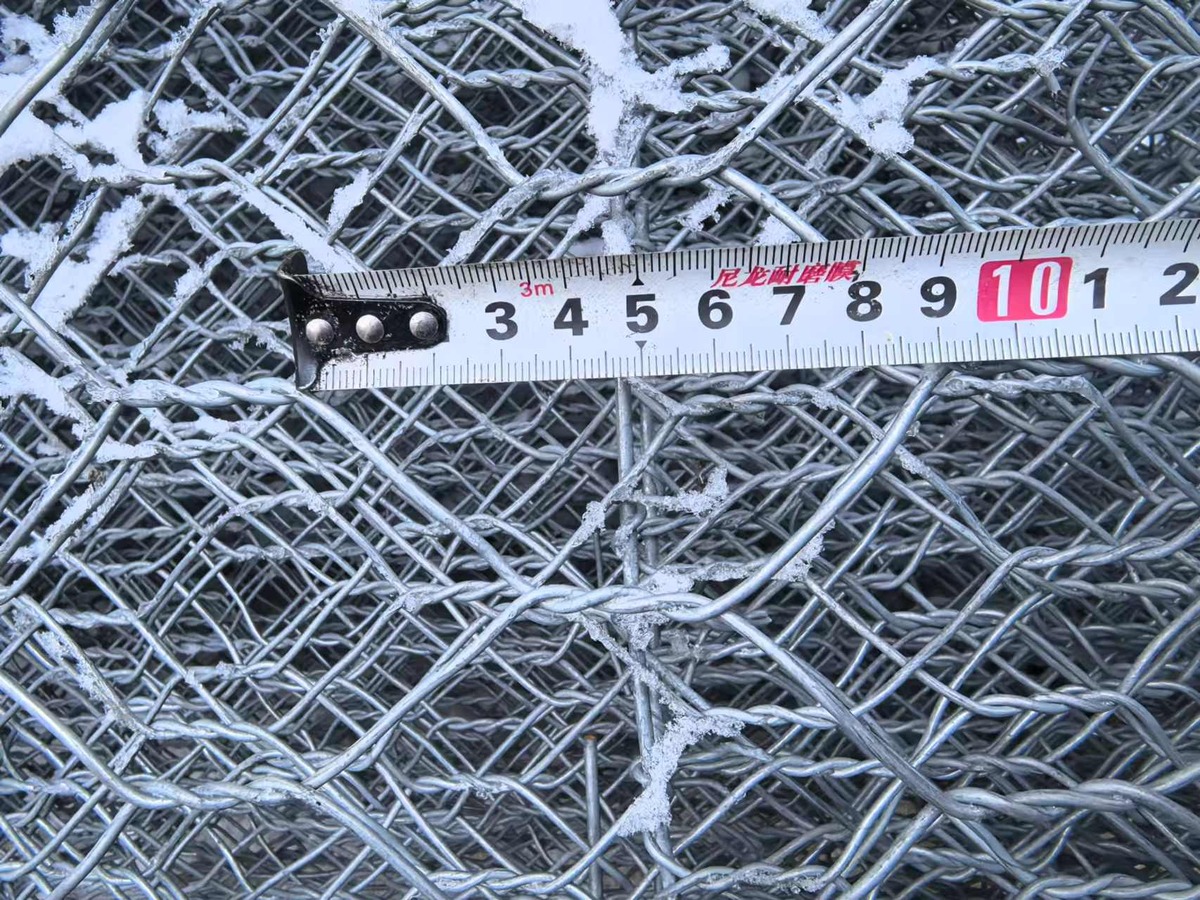
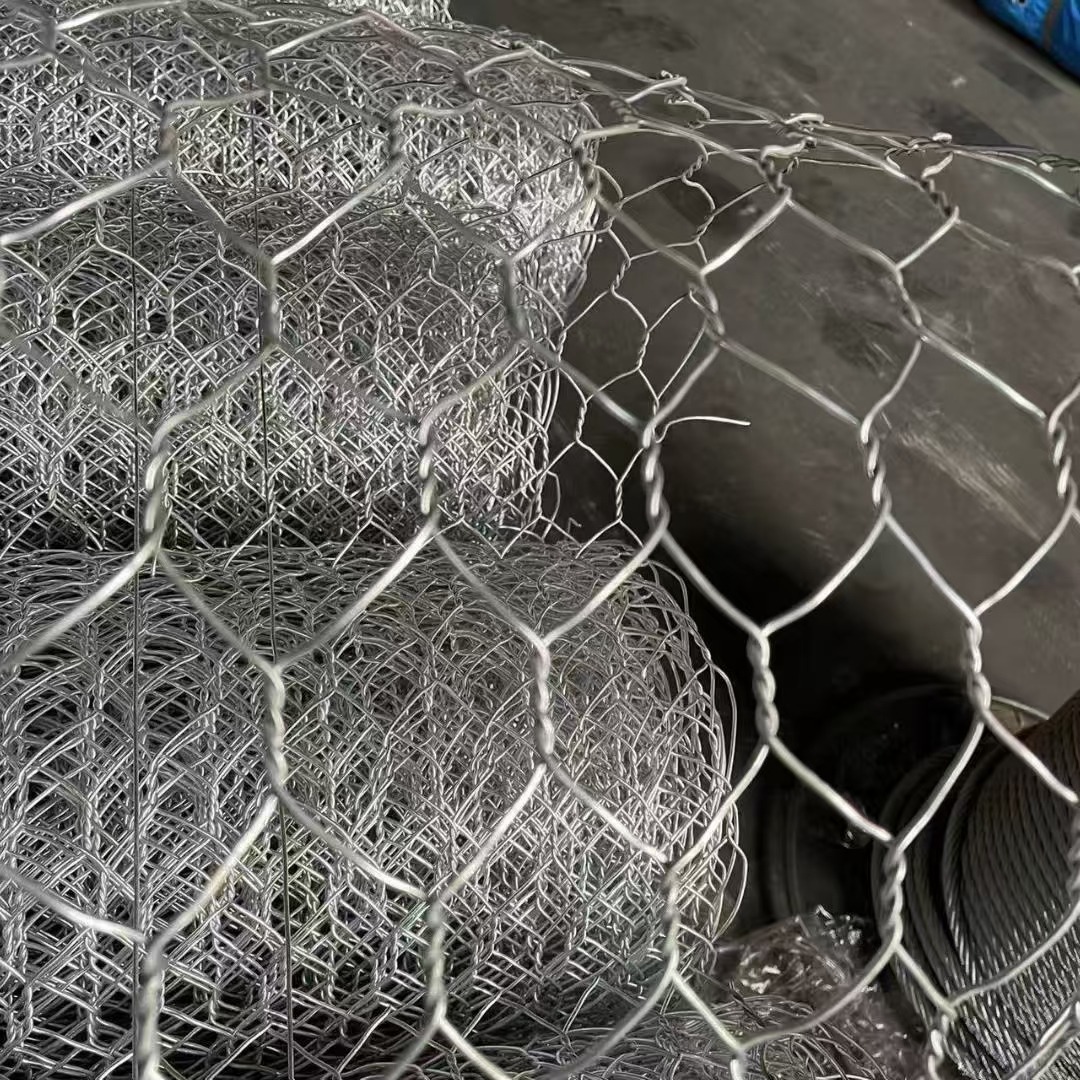
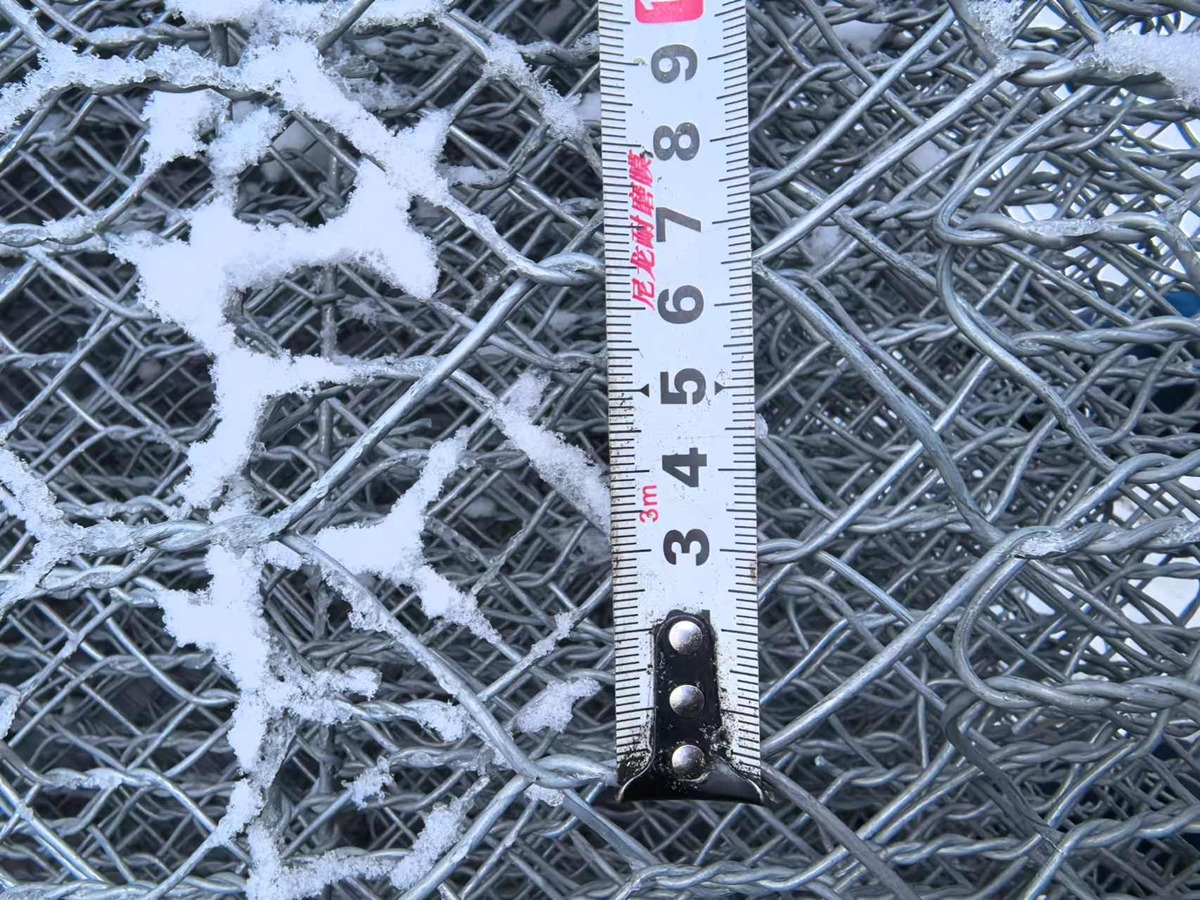
The same fifteen ideas, translated into the language we actually cut to. These are the specifications we run every day; all wire is low-carbon steel to YB/T 4190-2018 with tensile strength in the 350–550 MPa range.
| Idea | Typical basket | Mesh / wire | Coating |
|---|---|---|---|
| Planters, benches, letterboxes | Welded panels, custom small boxes | 50×100 or 75×75 mm, 2.0–2.5 mm | Standard galvanised (60 g/m²) indoors / dry climates |
| Garden retaining walls ≤1 m | 2×1×0.5 m woven baskets | 80×100 mm, 2.7 mm | Heavy zinc 245 g/m² |
| Boundary fences 1.5–1.8 m | 2×1×0.3 m stacked | 80×100 mm, 2.7 mm | Heavy zinc 245 g/m² |
| Pond edges, water features | Woven baskets or welded units | 80×100 mm, 2.7 mm | Zinc-aluminium (245 g/m² + 10% Al) |
| Flood and riverbank works | 2×1×1 m baskets; 0.3 m mattresses | 80×100 or 100×120 mm, 2.7 mm | Heavy zinc or zinc-aluminium |
| Noise barriers, tiered slope walls | 2×1×1 m, engineered layout | 80×100 mm, 2.7–3.4 mm selvedge | Heavy zinc 245 g/m² minimum |
The Stone Fill Guide Nobody Writes Down
Ask ten suppliers what to fill a gabion with and nine will say “any hard stone”. Here is the working rule our packers use, and it has never produced a call-back:
| Mesh opening | Stone size (1.5–2× opening) | Notes from the yard |
|---|---|---|
| 60×80 mm | 100–150 mm | Tightest common mesh; face stone is slow to hand-place |
| 80×100 mm | 100–200 mm | The workhorse — most garden and civil baskets ship in this |
| 100×120 mm | 120–250 mm | Fast filling with machinery; faces look rougher |
Three rules sit underneath the table. Angular beats rounded — crushed rock locks, river pebbles roll and push the face out. Fill in 300 mm lifts, and at each lift add the internal wind braces in a figure-eight pattern between the faces; that is what keeps a 2-metre basket looking like a wall instead of a barrel. And hand-place the show face: ten minutes of stacking flat stones against the mesh is the entire difference between a gabion that photographs well and one that does not.
Five Mistakes That Ruin Gabion Projects
1. Bulging faces. The basket was filled in one pour with no wind braces. Once the face bows you cannot push it back — you empty the basket and start again.
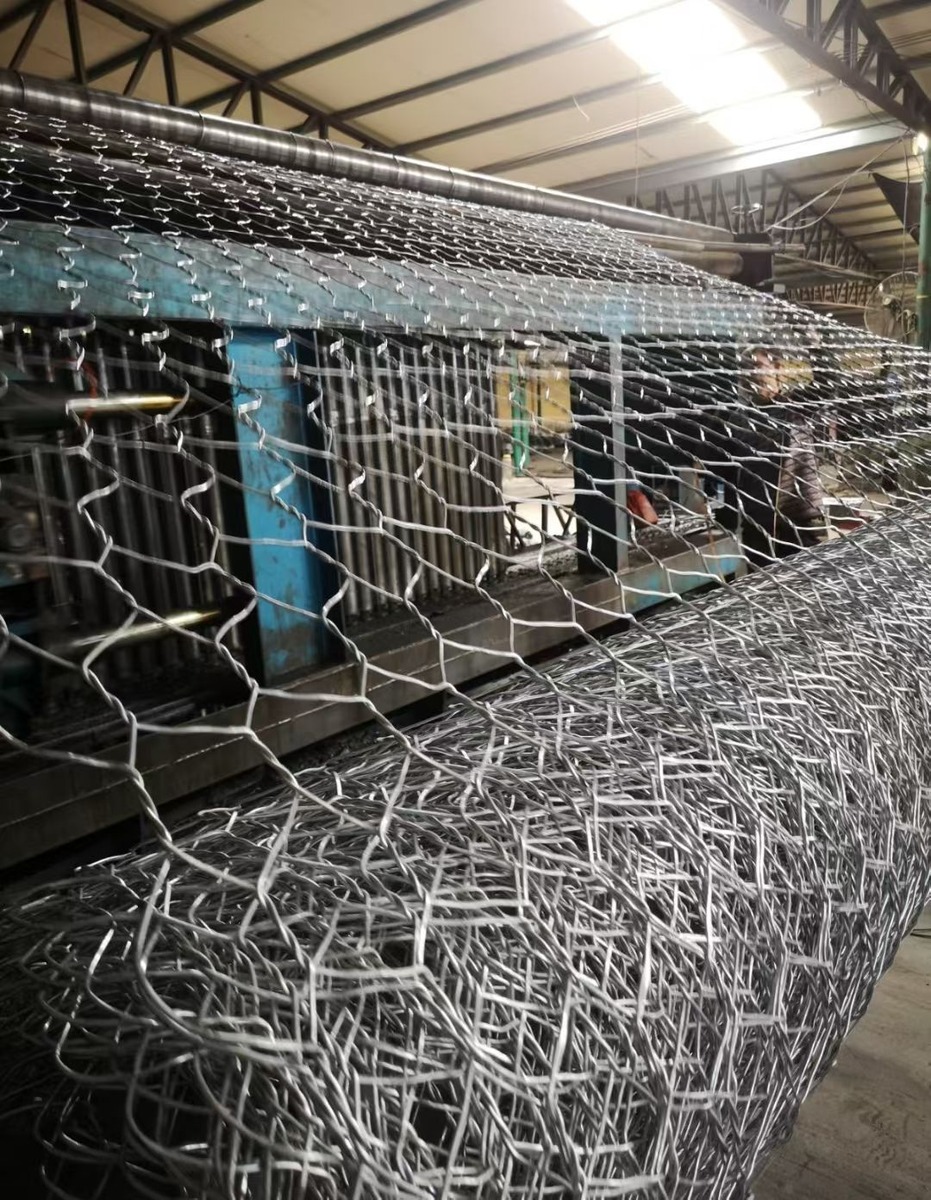
2. Rust at the joints within a year. Standard 60 g/m² galvanising used outdoors in a wet climate. The lacing wire always goes first because it is handled and bent most. For anything outdoors that you want to last, the heavy coatings earn their keep.
3. Stone sneaking out of the mesh. Fill smaller than the 1.5× rule migrates through the openings and the basket settles into a sag. Undersized stone is the one defect that gets worse every year.
4. No base prep. Gabions forgive bad ground better than concrete does, but “forgiving” is not “immune”. Scrape to firm ground, lay a compacted gravel bed, and level it. Fifteen minutes here saves a leaning wall.
5. Treating a tall wall like a garden feature. Anything retaining more than a metre of ground, anything near a boundary, anything carrying a driveway behind it — that is engineering, not decorating. Get the approval and the design first; the baskets are the easy part.
Gabion Questions We Answer Every Week
Do garden gabion walls need a concrete foundation?
Under one metre tall, no. Scrape to firm ground, lay and compact a gravel bed, and level the first course — the filled baskets weigh about 1.5 tonnes per cubic metre and hold themselves down. Once a wall retains more than a metre of ground, sits near a boundary, or carries a driveway behind it, treat it as a structure: compacted base as a minimum, and check local rules on approval and engineering before you build.
How long do gabion baskets last in a garden?
The wire decides. Standard 60 g/m² galvanising suits indoor features and dry climates. For outdoor walls that should still look good in twenty years, specify heavy zinc at 245 g/m² (verified to GB/T 1839) or a zinc-aluminium coating, and avoid burying the baskets in constantly wet soil. All of our wire runs to YB/T 4190-2018 with tensile strength in the 350–550 MPa range.
Can I fill gabions with recycled brick or broken concrete?
You can, and plenty of commercial jobs do it for the cost saving. Two conditions: the pieces must be hard, angular and sized 1.5 to 2 times the mesh opening, and they should not be the visible face of a feature you care about — recycled fill looks like recycled fill. A common trick is recycled concrete in the core with good stone hand-placed on the faces.
Welded or woven mesh — which is better for garden ideas?
Welded panels give crisp, flat faces and suit benches, planters, letterboxes and any feature people will touch. Woven (double-twist) baskets tolerate ground movement and suit retaining walls, banks and anything civil. Welded mesh is less forgiving of settlement; woven mesh is less crisp visually. Many projects mix both.
How do I stop the face of my gabion wall bulging?
Fill in 300 mm lifts, and at every lift tie figure-eight wind braces between the front and back faces. Hand-place the outer 100–150 mm of stone flat against the mesh. Both steps are cheap; skipping them is why most DIY gabion walls look like barrels within a season.
What size mesh and wire should I order for a garden retaining wall?
Our default for a wall up to one metre: 80×100 mm mesh in 2.7 mm wire, heavy zinc coating at 245 g/m², in 2×1×0.5 m baskets with a 2×1×1 m base course if the ground is soft. Edge (selvedge) wire one size heavier than the mesh wire — 3.4 mm against 2.7 mm mesh wire is the pairing we cut most.
Are gabion walls cheaper than block or concrete walls?
The basket itself is rarely the deciding number — stone, transport and labour dominate the total. Gabions usually win where local stone is available, where drainage matters, or where the ground may move, because there is no mortar to crack and no formwork to build. Where stone has to travel far, the comparison tightens. Send us the wall dimensions and stone source and we will tell you honestly which way it falls.
From the people who weave it
Tell us which idea you are building
Send a sketch, a photo of the site, or just the dimensions. We will come back with the basket sizes, the mesh and wire spec, and a stone-fill estimate for your idea — usually within a day. Small trial orders (a letterbox pillar, a bench pair) are welcome, and every shipment carries coating mass test results to GB/T 1839.
Shenzhou Haobo Metal Products Co., Ltd. · haobomesh.com · FOB Tianjin
Keep reading
Gabion Retaining Walls in Australia
AS 4678, council approval triggers and specification.
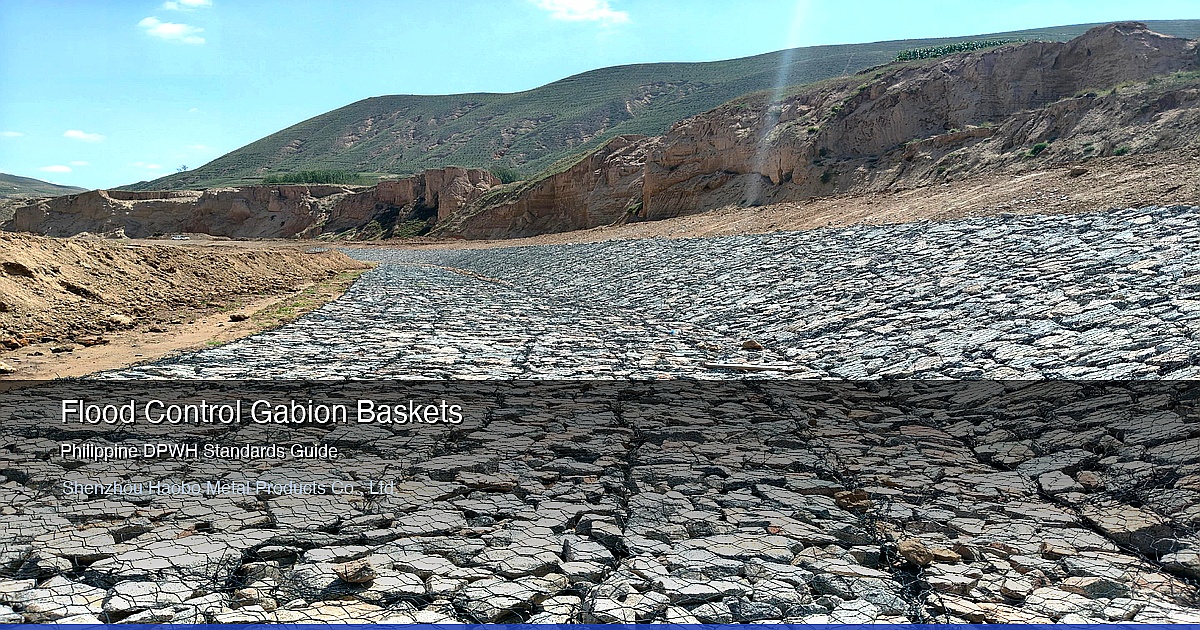
Gabion Basket Price List Philippines
Spec, fill and budget for Philippine river works.
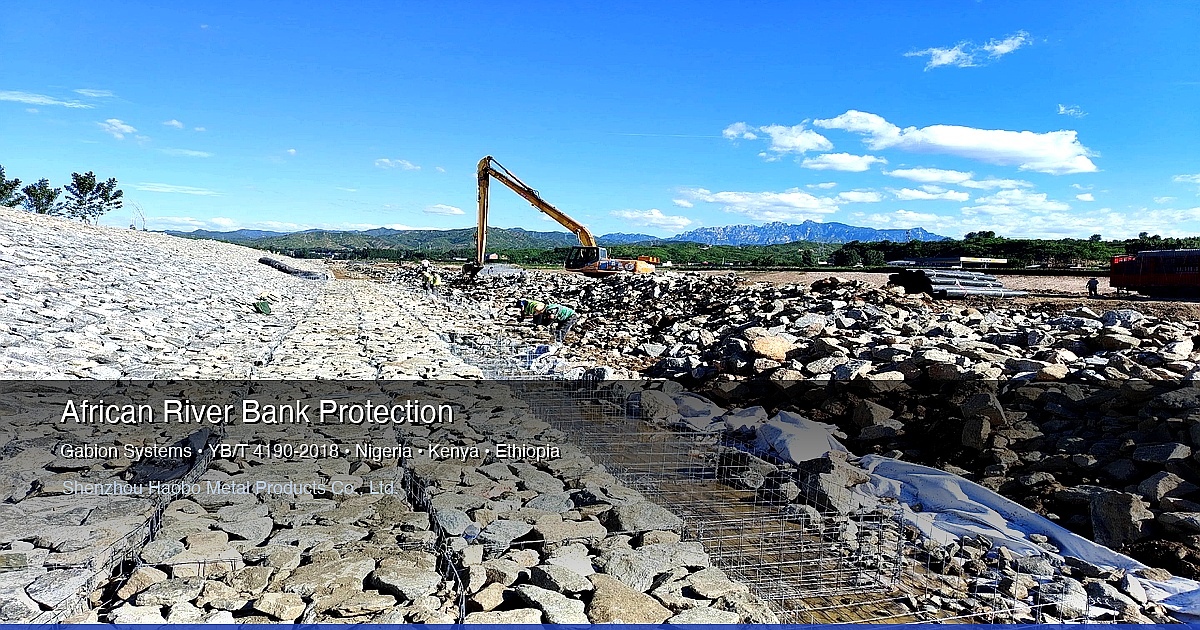
Gabion Prices in Africa
South Africa, Kenya and Nigeria — what drives the number.
A note from the workshop: Specifications quoted here are our everyday production figures — wire to YB/T 4190-2018 (350–550 MPa), coating mass verified to GB/T 1839, selvedge wire one size heavier than the mesh wire. Local rules on wall height and approval differ everywhere, so treat anything over a metre as a question for your council or engineer, not for us. Written by the production team at Shenzhou Haobo Metal Products Co., Ltd.
Picked an idea? Here is how to actually build it Read How to Build a Gabion Wall: 8-Step Construction Guide from Foundation to Lid — eight field-tested steps from foundation to lid, with the four failures that send walls back for rework.