Rockfall Netting Price South Africa 2026: Cost Drivers, System Types & How to Budget
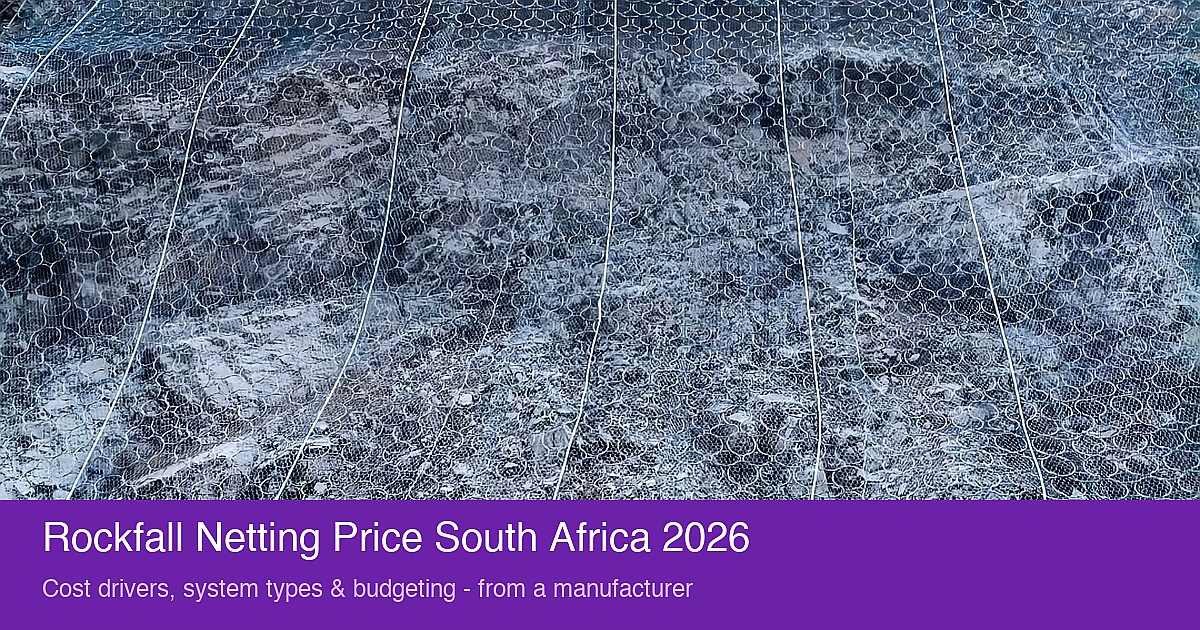
Earlier this year a project manager running a mine access road in Mpumalanga sent us two quotes he had received for "rockfall netting, 5,000 m²" - the job also goes by rockfall barrier and slope protection netting, and suppliers mix the names freely. One was nearly twice the other, and he wanted to know which supplier was lying. Neither was. One quote was a light active drape in standard galvanized wire; the other was a passive barrier line rated for real boulder impacts, with posts, brake rings and anchors included. Same two words on the email subject line - two completely different systems. This guide breaks down what a rockfall netting price in South Africa is actually made of, so the next pair of quotes you receive can be compared line by line instead of by the total at the bottom.
The Six Drivers Behind Every Rockfall Netting Price
Whether you are protecting a N-route cutting, a mine haul road or a mountain pass in the Drakensberg, every quote you will ever receive for this wire mesh system is built from the same six layers. Once you can see them, the numbers stop looking random.
1 · System type - drape, barrier or ring net
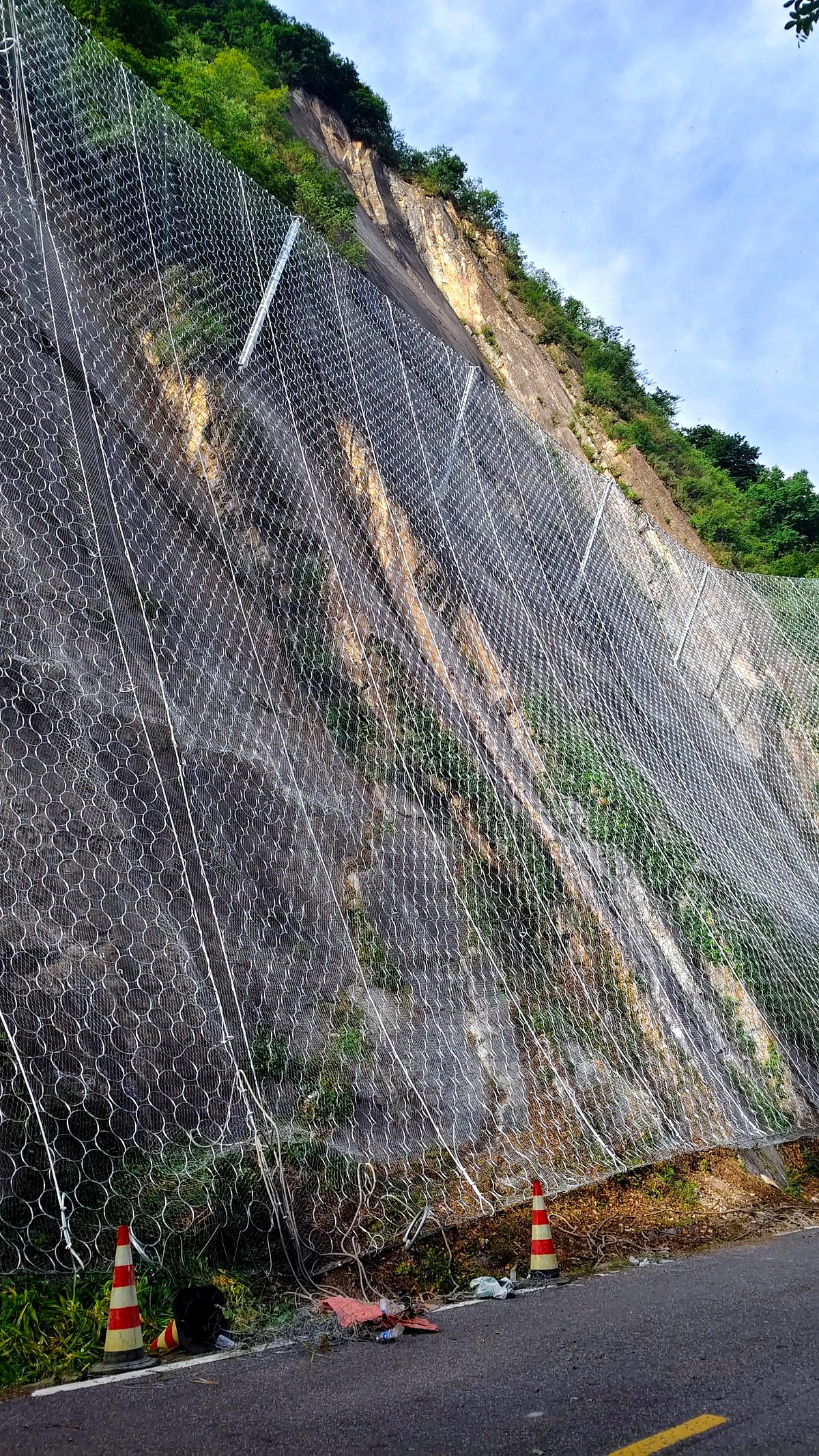
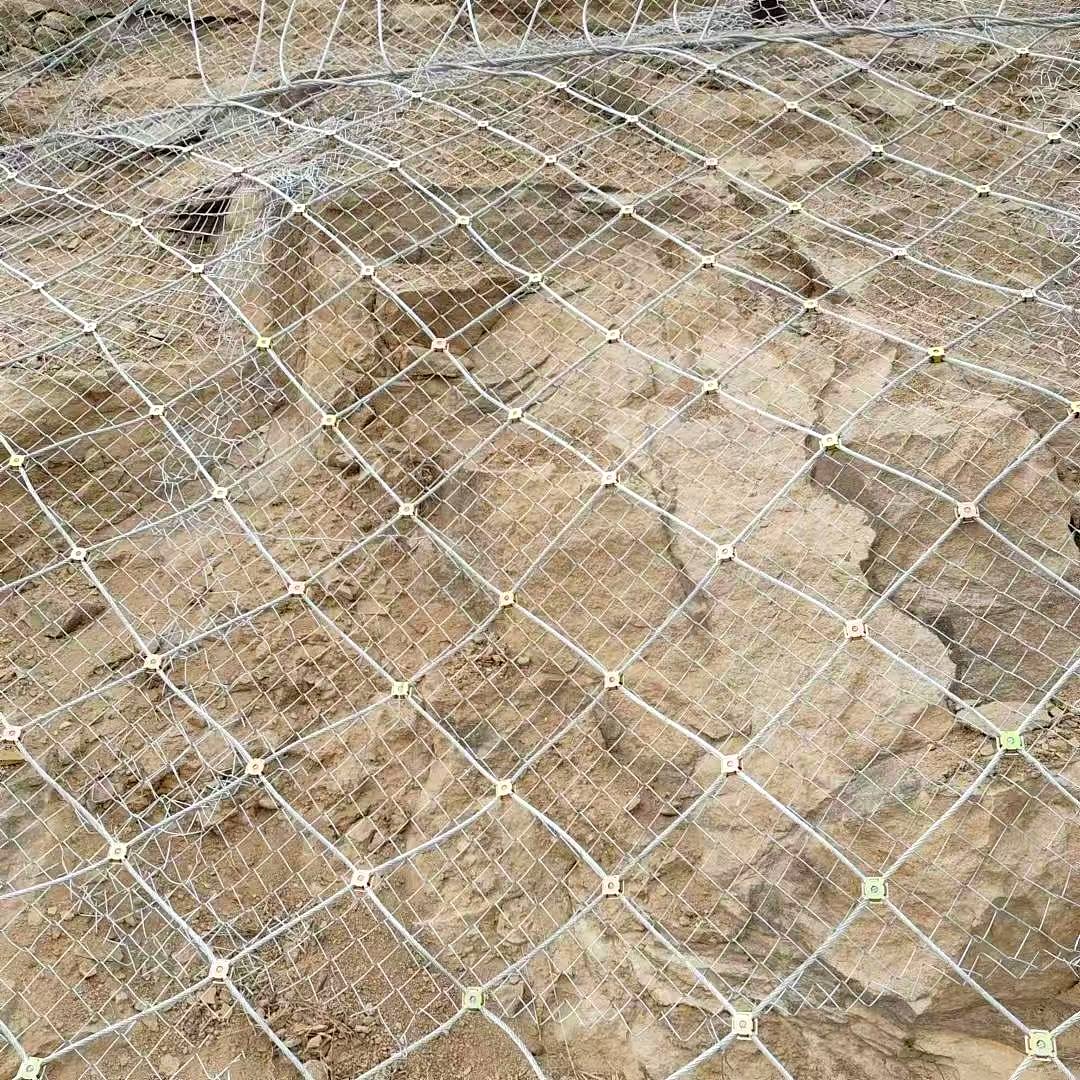
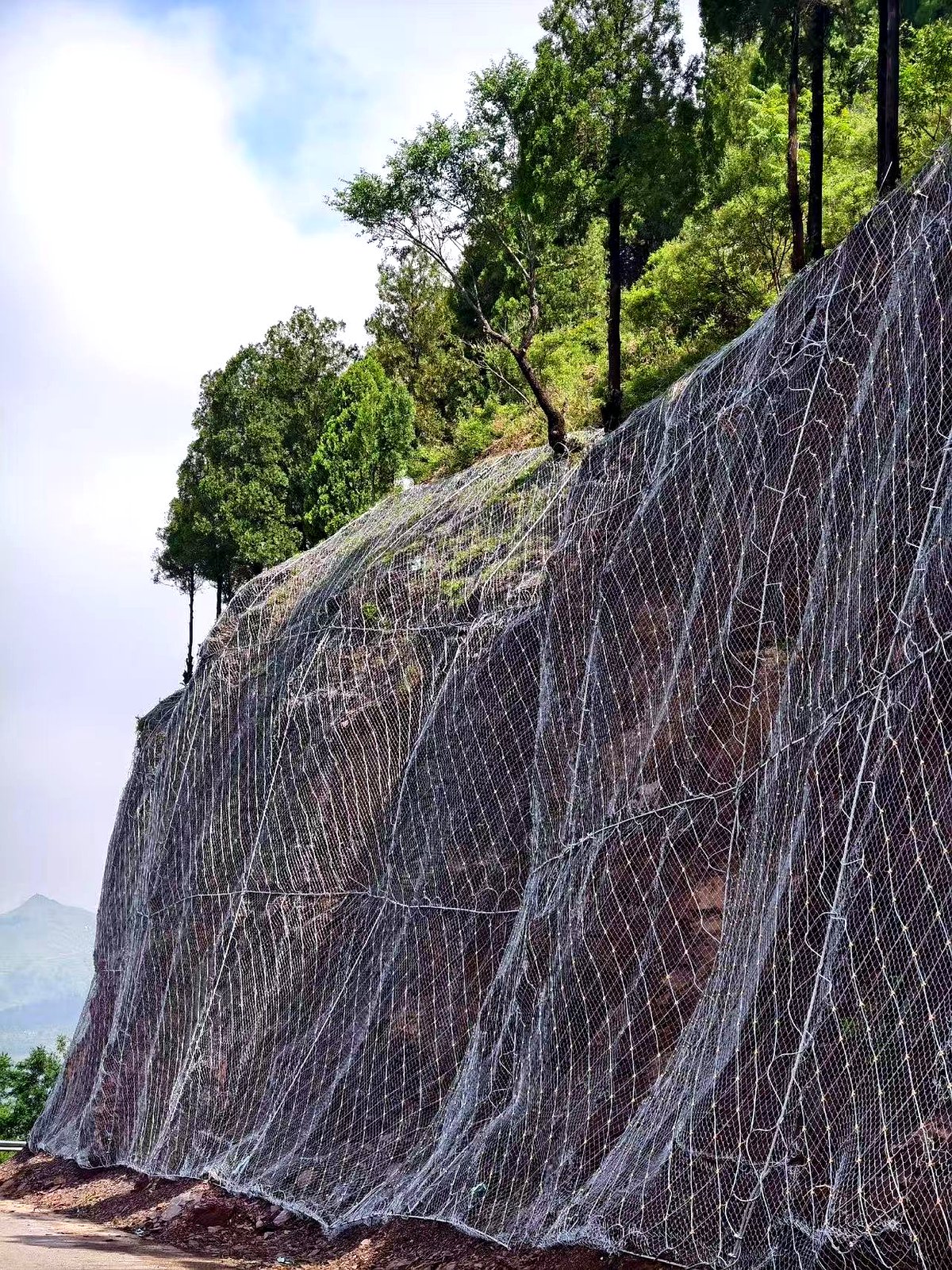
An active drape that pins loose rock to the slope face is mostly mesh and anchors. A passive barrier that stops falling boulders mid-slope adds posts, base plates, support ropes and energy-absorbing brake rings - hardware that can outweigh the mesh itself. The system choice is the single biggest price driver, and it is decided by the hazard, not by the budget.
2 · Energy rating, in kilojoules
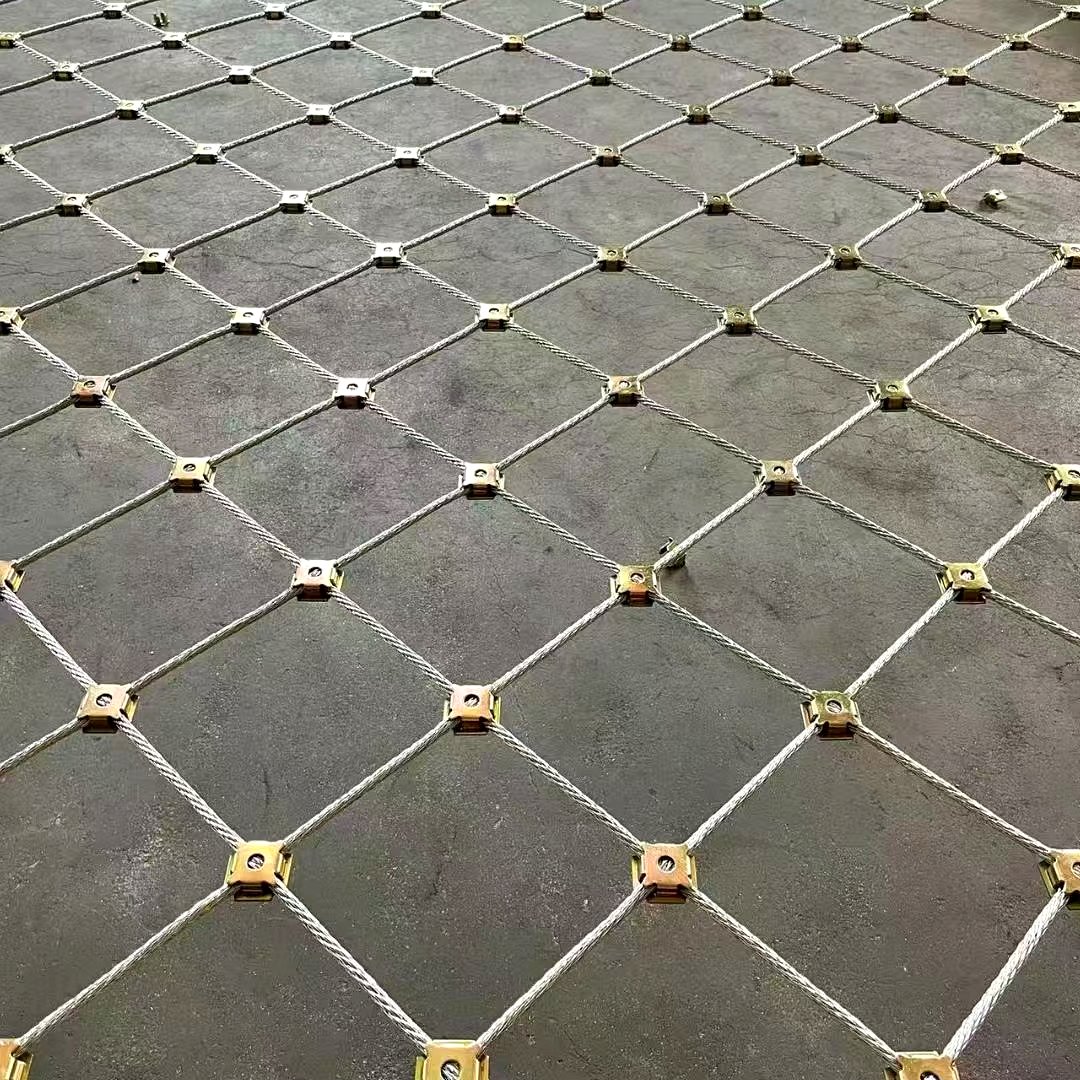
Passive systems are rated by the impact energy they must absorb - commonly from 250 kJ for small debris flows up to 5,000 kJ for vehicle-sized boulders on high-energy corridors. Higher ratings mean heavier ring nets, thicker support ropes and bigger foundations. A quote without a kJ rating is not a quote; it is a guess.
3 · Wire, rope and their coatings
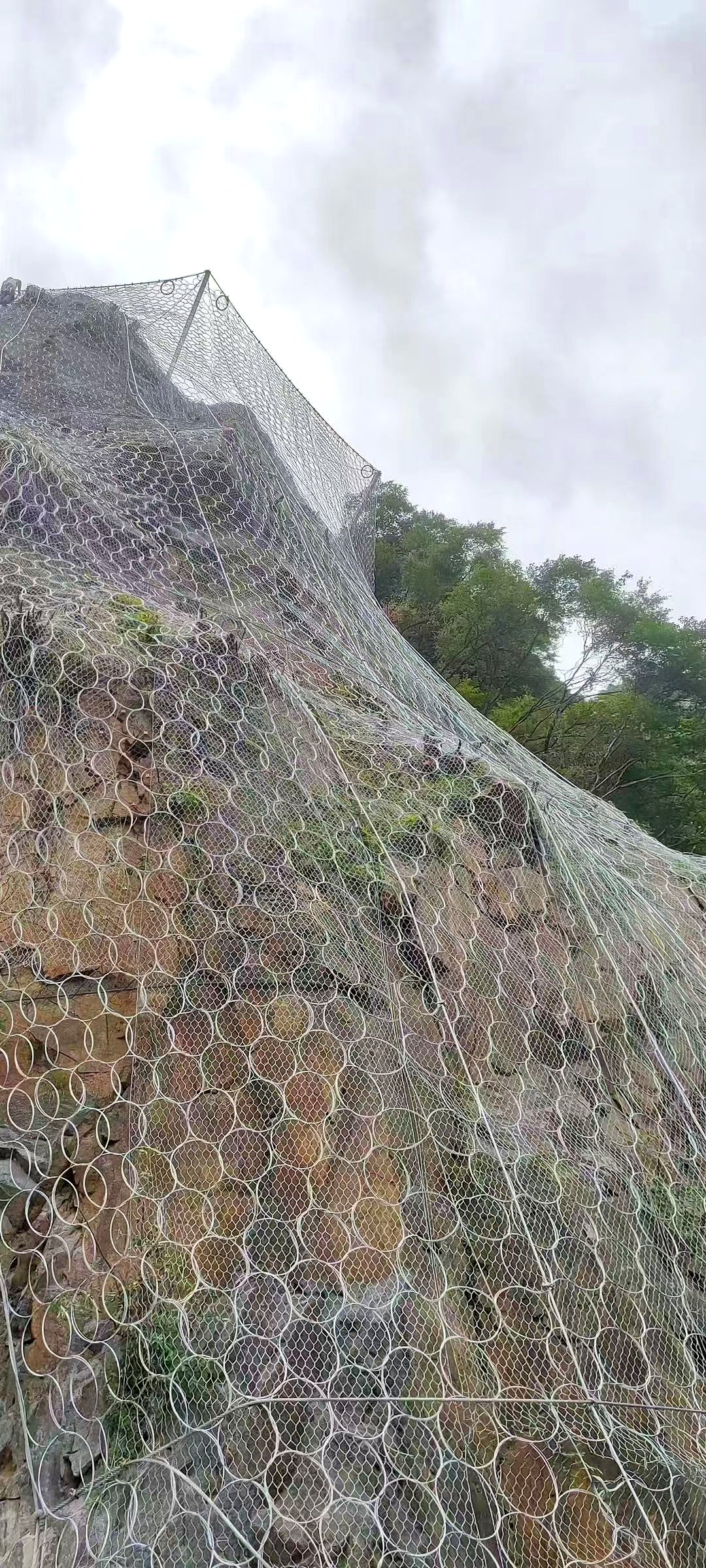
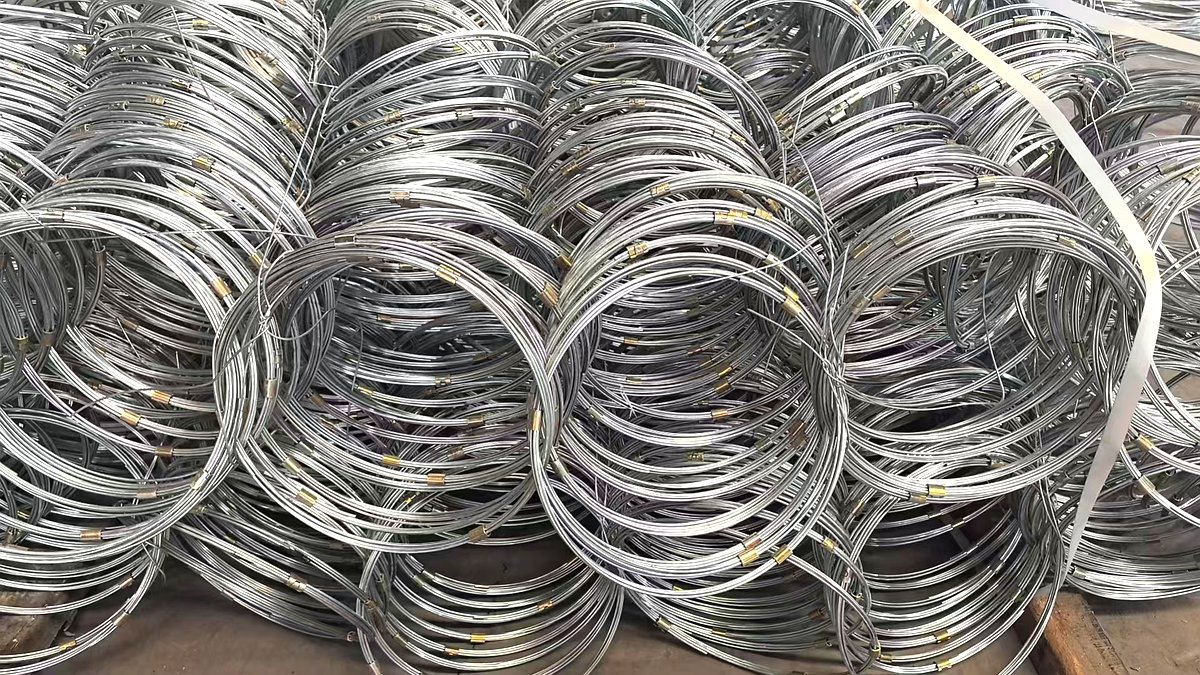
Steel is sold by weight, so wire diameter and rope construction move the price directly. Our barrier ropes run to a tensile strength of 1770 MPa minimum, and zinc coating class matters as much as diameter: standard galvanized versus heavy galvanized at 245 g/m² or more are different prices for identical-looking mesh. In the Highveld's summer-rain climate or anywhere near the coast, the coating class is what decides whether the system is still working in year fifteen.
4 · Anchors and foundations
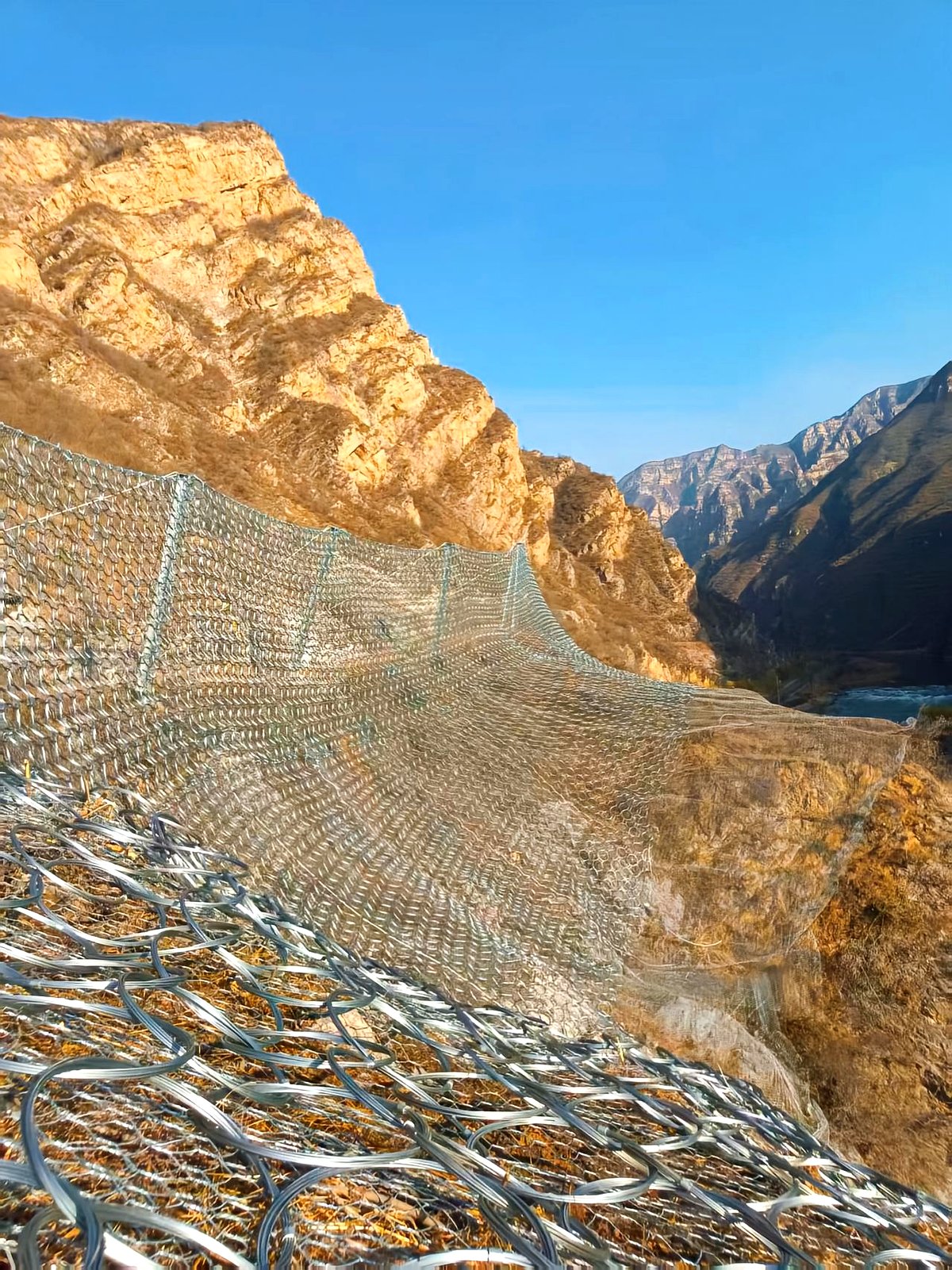
Every barrier post and drape boundary hangs off anchors drilled into the slope, and anchor count scales with energy rating and ground conditions. Weathered sandstone, hard dolerite and fractured andesite drill very differently - ground that fights the drill rig adds days, and days add money. Anchors are the most commonly under-quoted line item we see.
5 · Site access and installation method
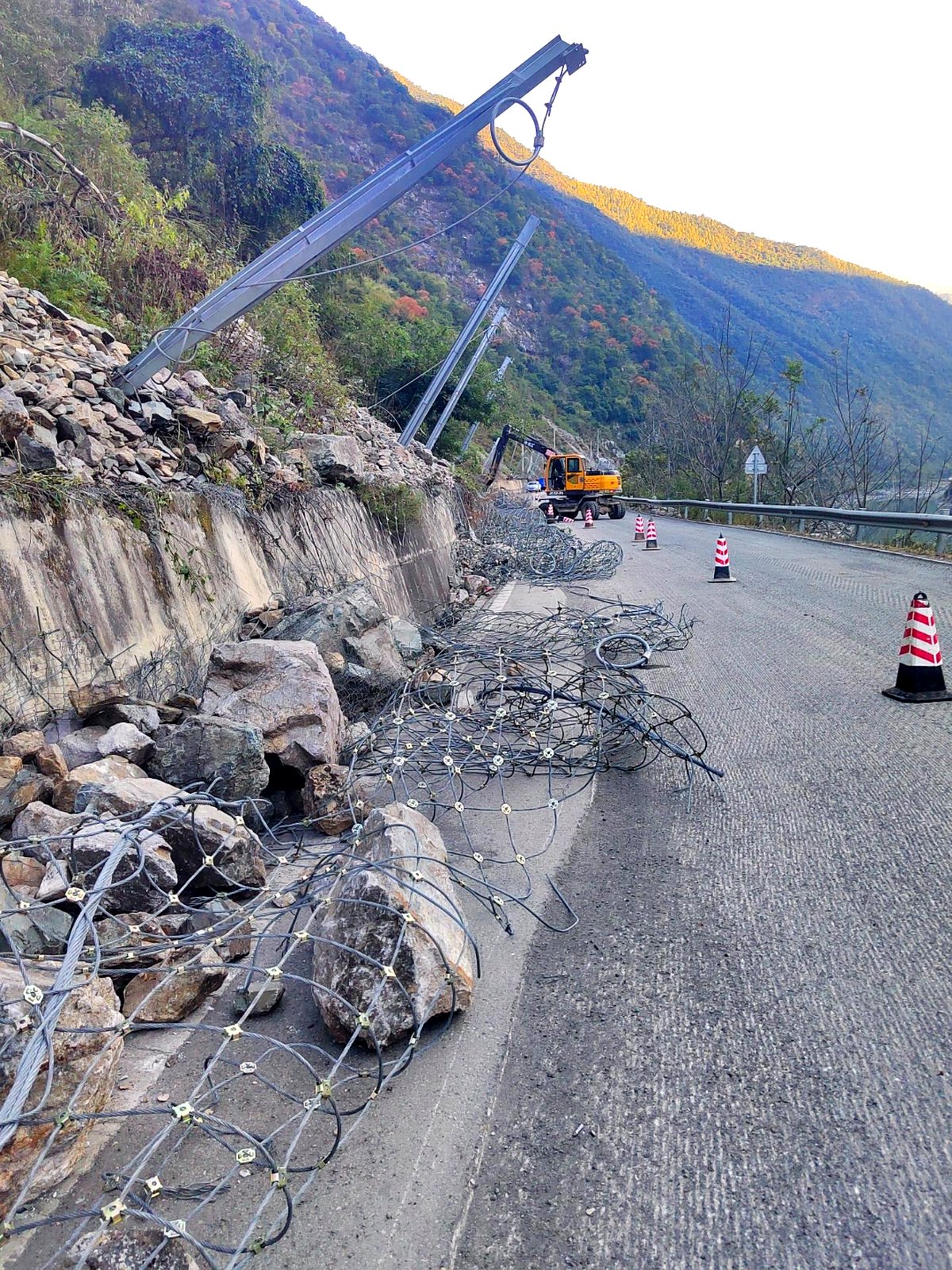
A barrier beside a gravel mine road with crane access installs fast. The same barrier halfway up a cutting that only rope-access teams can reach installs slowly, and rope-access crew time is the premium labour of this industry. Two identical systems can carry very different installed prices on two different slopes.
6 · Freight, duties and the rand
For imported systems, ocean freight to Durban or Cape Town, port charges, customs and VAT ride on top of the factory price - and the whole landed figure moves with the rand. On a container-scale order, the exchange rate between quote day and payment day is a real line item, not background noise.
Three System Families - and What Each One Is For
Most South African slope work we quote falls into one of three families. The names get used loosely, so here is the practical version:
| System | What it does | Typical South African use | Cost position |
|---|---|---|---|
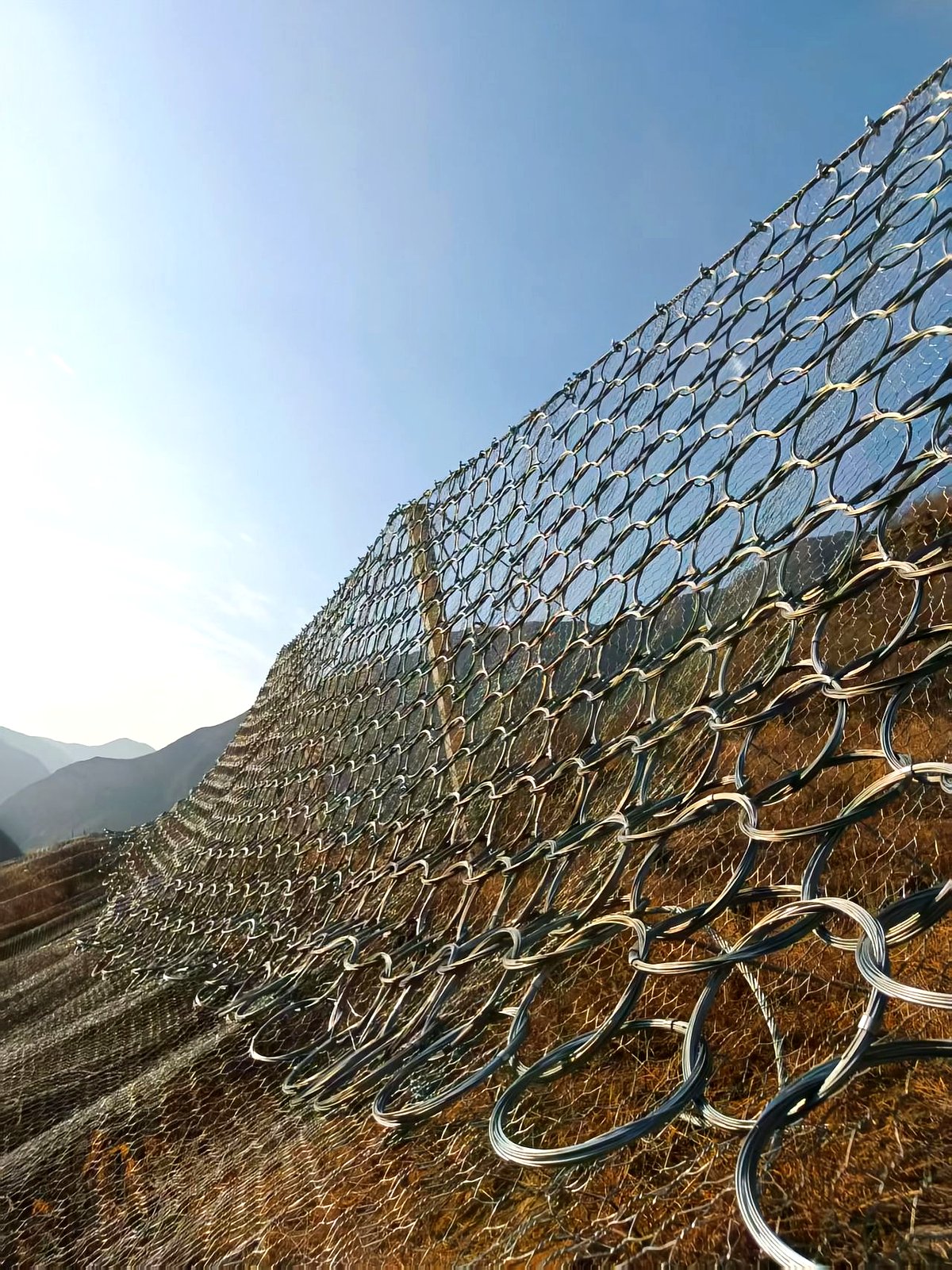
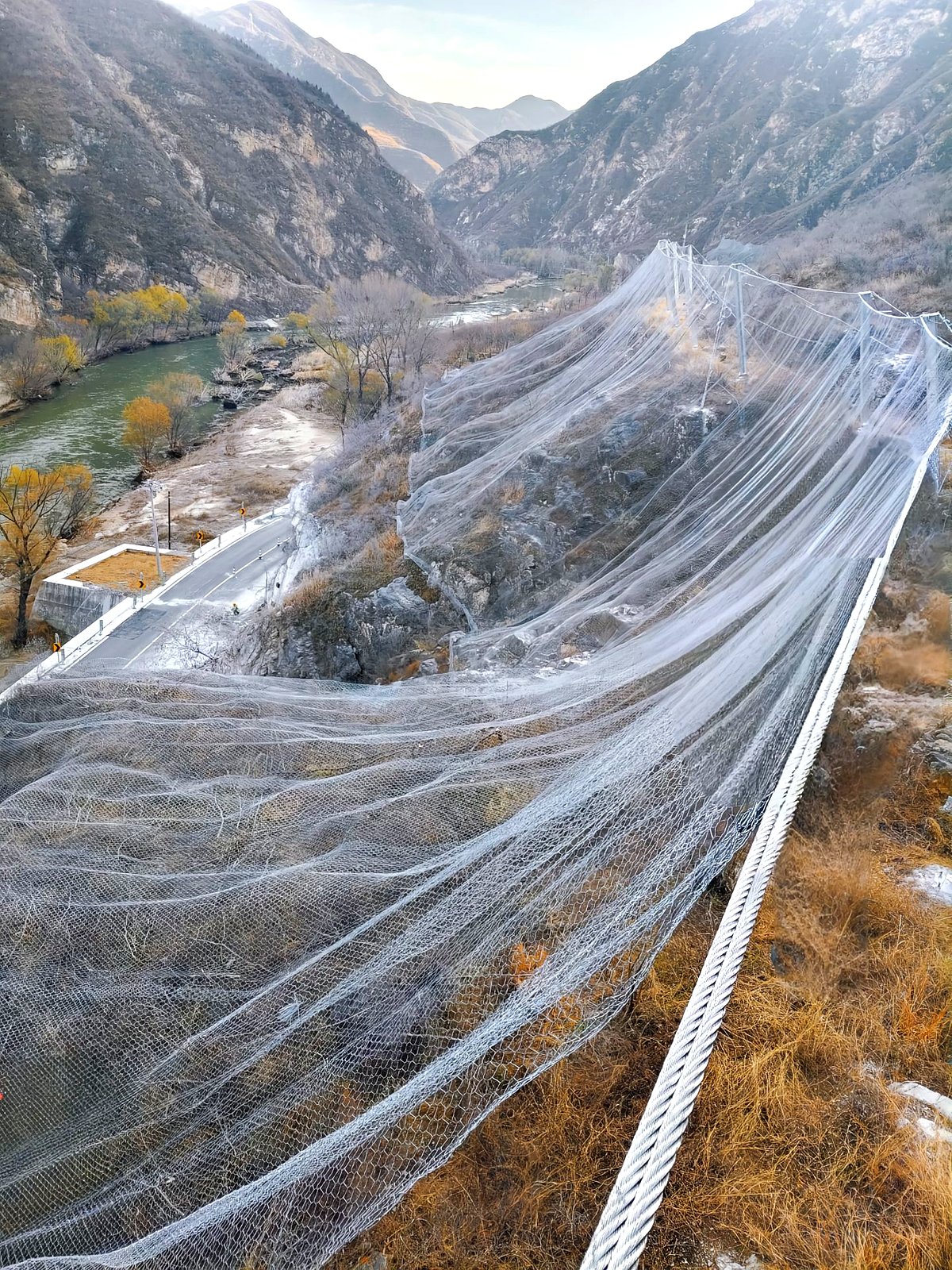
| Active drape (SNS active) | Mesh pinned tight against the slope face with a grid of anchors - holds loose rock in place instead of catching it | Weathered cuttings on road and rail corridors, mine highwalls with ongoing scaling | Lowest per m² of slope face |
| Passive barrier (SNS passive) | Free-standing fence of posts, mesh and support ropes that intercepts falling rock mid-slope | Base of cuttings above roads, haul-road edges, infrastructure corridors | Priced per metre of barrier; driven by kJ rating and height |
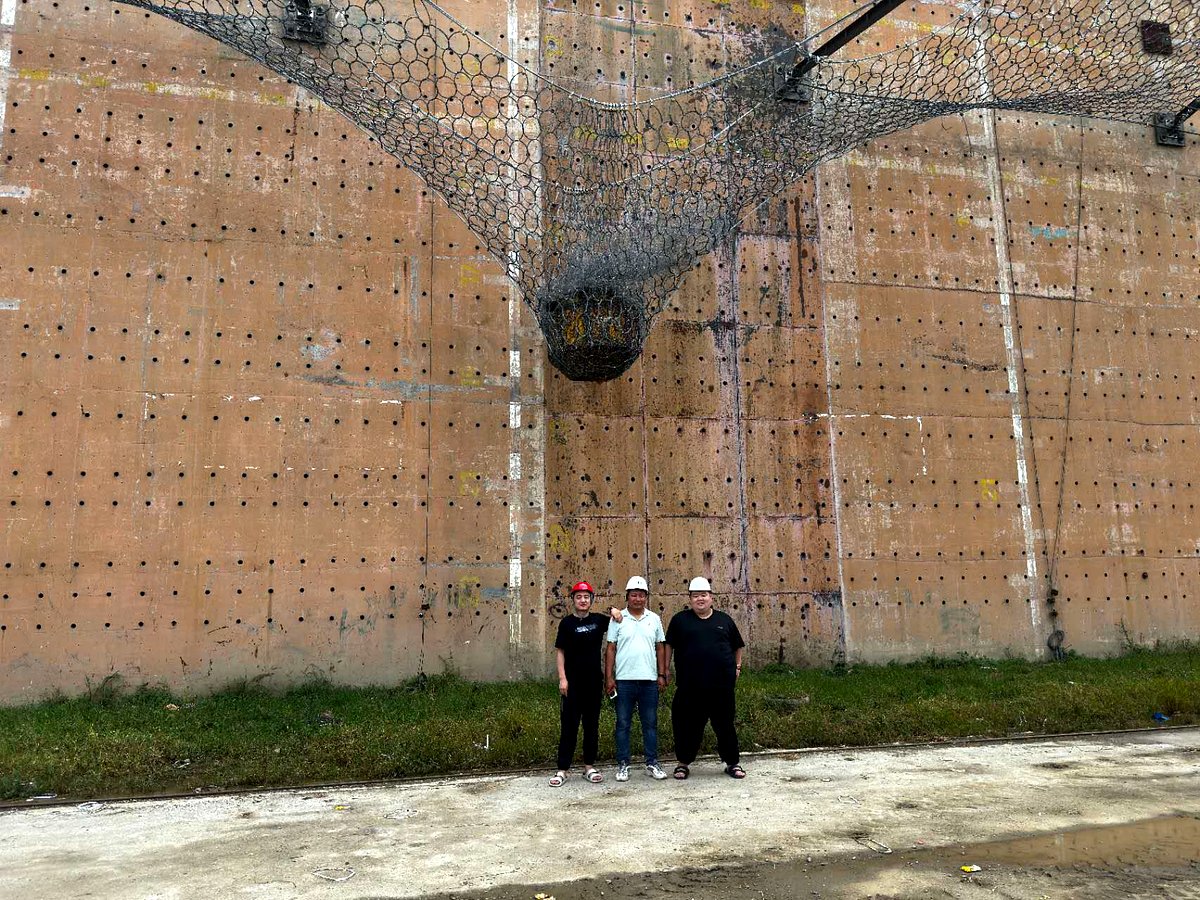
| Ring net barrier | A passive barrier whose catching face is interlocked steel rings - the heavy artillery for high-energy impacts | Mountain passes, gorges, anywhere boulder-sized debris threatens people or equipment | Highest per metre; reserved for the highest kJ ratings |
Hybrid designs are common: an active drape on the upper face to stop raveling, feeding a passive barrier at the toe that catches whatever escapes. When a quote covers both, check that the two systems are itemised separately - bundling them into one per-metre number is how specifications quietly shrink.
What the kJ Rating Actually Buys You
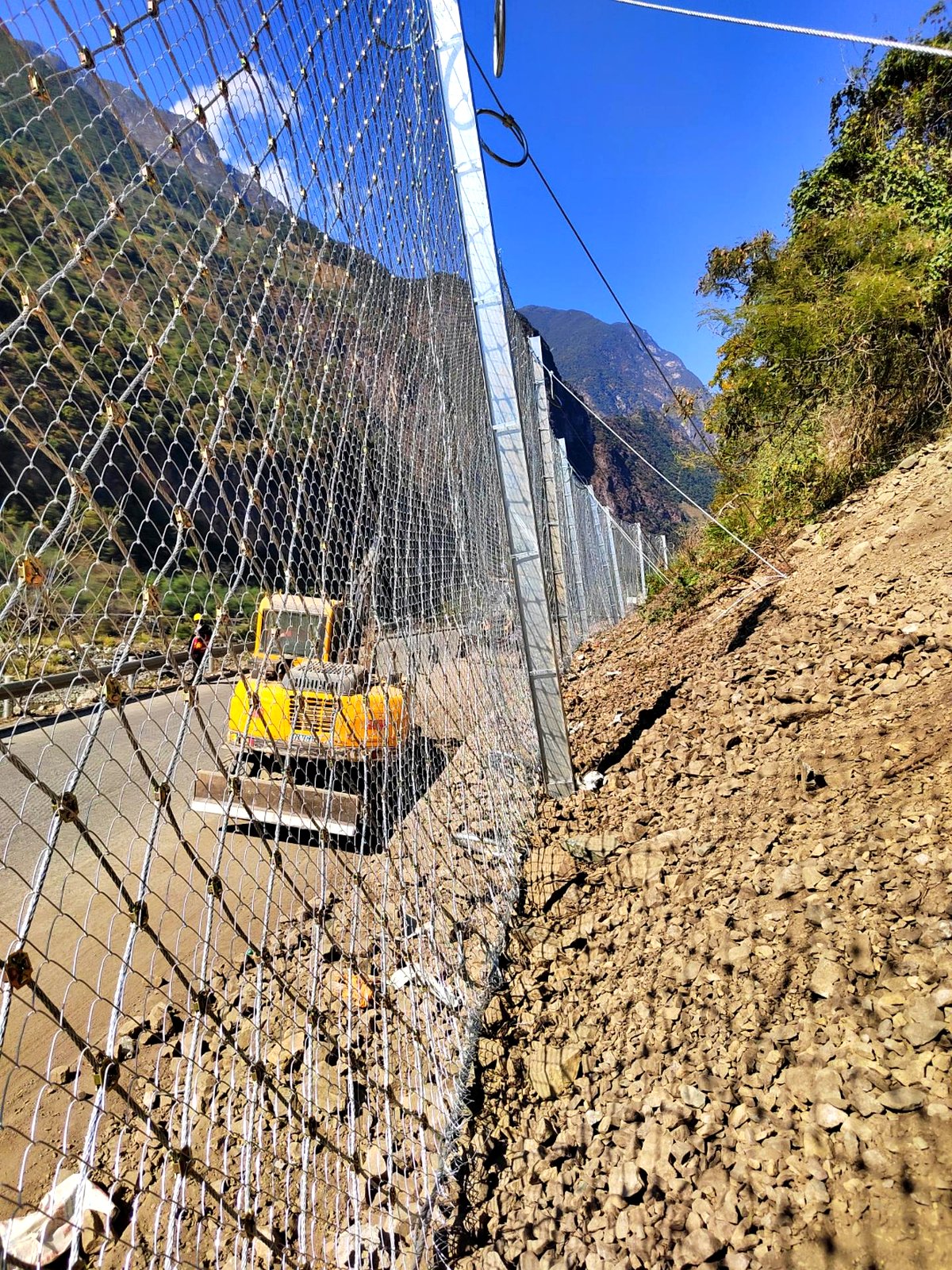
Energy rating is the physics of the barrier, expressed as one number: the kinetic energy of the largest impact the system is certified to stop. It scales brutally - kinetic energy grows with the square of velocity - which is why a small increase in design boulder size or fall height moves the rating, and the price, by a full class.
| Rating class | Typical hazard | What gets heavier |
|---|---|---|
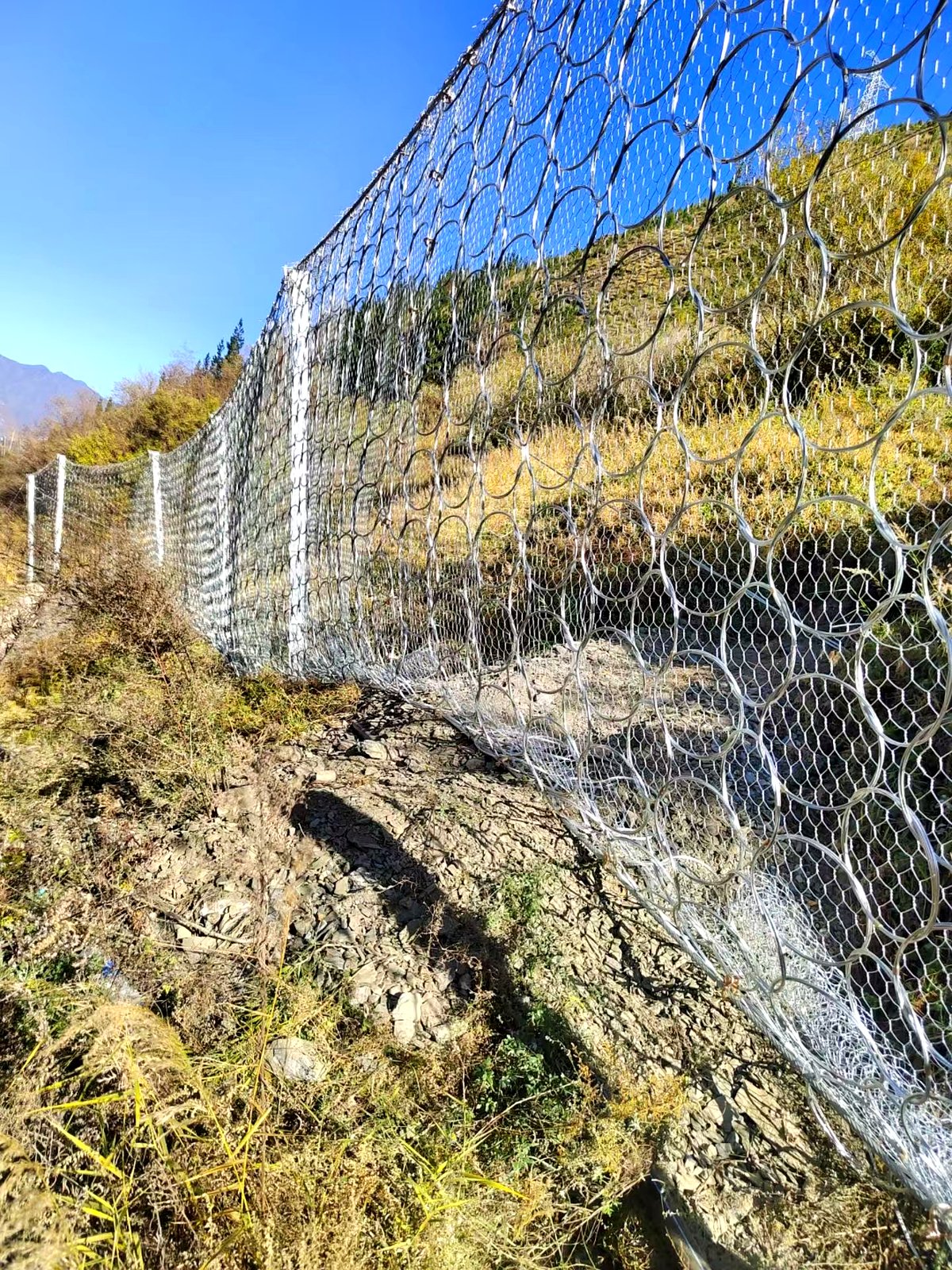
| 250 - 500 kJ | Small rockfall and debris on moderate slopes | Light ring net or double-twist mesh face, standard posts |
| 750 - 2,000 kJ | Road cuttings with metre-scale blocks | Ring net face, heavier support ropes, more brake rings |
| 3,000 - 5,000 kJ | High-energy corridors, boulder fields, deep gorges | Multiple ring-net layers, engineered foundations, taller posts |
The rating belongs in the first line of your bill of quantities, because every other line - net weight, rope diameter, anchor count, foundation volume - follows from it. If two quotes differ on price, compare their kJ ratings before anything else.
South Africa Notes Before You Sign Anything
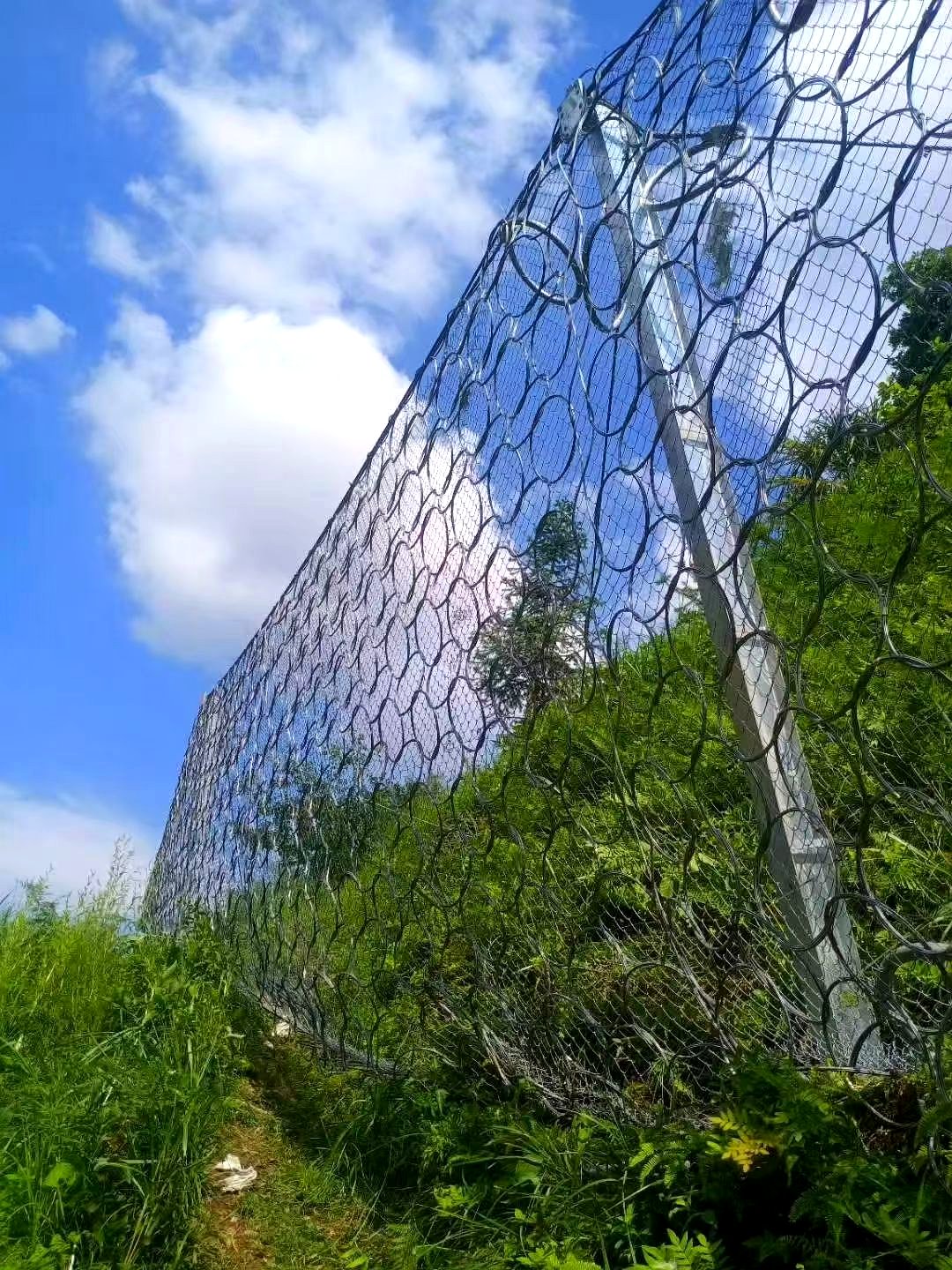
Read the road authority's language. SANRAL-style specifications for slope work spell out wire diameter, coating class and test certificates line by line. Those lines exist because a fence failed somewhere. We manufacture to JT/T 528-2022 - wire rope at 1770 MPa minimum tensile, hot-dip galvanizing at 245 g/m² and above - and ship mill certificates with the order, which is exactly what the materials engineer's inspection checks.
Mining work has its own clock. Haul roads and highwalls get re-profiled as the pit advances, so mines often favour systems that can be dismantled, moved and re-erected. Mention this when you ask for quotes - a demountable barrier layout changes the anchor and post specification, and it is much cheaper to design for relocation up front than to retrofit it.
Match the coating to your weather. Inland Highveld sites live with summer thunderstorms and big temperature swings; coastal KwaZulu-Natal and Western Cape sites add salt air. Standard hot-dip galvanizing performs well inland; within reach of the coast, step up the coating class and the inspection interval together. The coating line is a small percentage of the quote and a large percentage of the service life.
Pick the port that matches the province. Durban is the default for Gauteng, Mpumalanga and KZN work; Cape Town makes sense for Western and Northern Cape sites. We quote FOB Tianjin as standard and CIF to either port on request - ask for both and compare the inland trucking honestly.
The rand is part of the specification. Factory quotes are in US dollars; your budget lives in rand. We hold our quotes for an agreed window so you can fix the conversion with your bank instead of discovering the exchange rate moved between approval and payment.
How to Compare Two Quotes Honestly
When the next pair of quotes lands in your inbox, run this checklist before looking at the totals:
☐ System family stated? Active drape and passive barrier are not interchangeable - reject any quote that just says "rockfall netting".
☐ kJ rating stated? No rating means no engineering basis for the price.
☐ Wire and rope specs in mm and MPa? "Heavy duty" is not a diameter. Ours: 1770 MPa rope, wire diameters to the drawing.
☐ Coating class in g/m²? Get the zinc weight in writing, plus the mill certificate that proves it.
☐ Anchors itemised? Count, type and embedment depth - the most commonly under-quoted line.
☐ Hardware included? Posts, base plates, brake rings, support ropes and connection clips belong in the supply scope, not as surprises.
☐ Incoterm and port named? Ex-works, FOB and CIF are three different prices for the same crate. Compare like with like.
Run both quotes through this list and the cheaper-looking one usually gets more honest, or the expensive-looking one turns out to be the only complete one. Either way, you win.
Frequently Asked Questions
What does rockfall netting cost per square metre in South Africa in 2026?
There is no honest single figure, because the price is assembled from system type, kJ energy rating, wire and coating class, anchors, installation access and freight - and published numbers go stale within a quarter. An active drape and a 3,000 kJ ring-net barrier are both called 'rockfall netting' but are priced completely differently. Use the six cost drivers in this article to compare any two quotes line by line.
What is the difference between active and passive rockfall systems?
An active drape is pinned tight against the slope face with an anchor grid and holds loose rock in place. A passive barrier is a free-standing line of posts, mesh and ropes that intercepts falling rock mid-slope, rated by the impact energy it absorbs in kilojoules. Many projects use both: a drape on the upper face, a barrier at the toe.
What kJ rating do I need for my slope?
The rating comes from a hazard assessment: boulder size, fall height and trajectory. Light debris problems on moderate slopes are often served by 250-500 kJ systems; road cuttings with metre-scale blocks commonly need 750-2,000 kJ; high-energy corridors run 3,000 kJ and above. The rating belongs in the first line of your bill of quantities because every other specification follows from it.
How long does it take to import rockfall netting from China to South Africa?
Production is scheduled against your order, then ocean freight runs to Durban or Cape Town, followed by customs clearance and inland delivery - counted in weeks end to end. Plan backwards from your construction window, especially ahead of the summer rainfall season, and order before the weather window rather than inside it.
Which standards should rockfall netting comply with?
We manufacture to JT/T 528-2022: wire rope at 1770 MPa minimum tensile strength and hot-dip galvanizing at 245 g/m2 and above. For SANRAL-style public works and mining specifications, what the inspection actually checks is the mill certificate for the wire and rope in your shipment - we provide those certificates with every order.
Can rockfall systems be customised to our site drawings?
Yes. Mesh aperture and wire diameter, barrier height and post spacing, ring-net grades and anchor layouts are all produced to the drawing. Send the site plan and bill of quantities and the quote comes back against the exact specification, itemised so anchors, posts, nets and hardware are each visible.
Quoting a slope in South Africa?
Send the site plan or bill of quantities and we come back with an itemised factory quote - system type, kJ rating, anchors and hardware each on their own line, FOB Tianjin or CIF Durban / Cape Town.
Shenzhou Haobo Metal Products Co., Ltd. - woven and galvanized in-house
From the same production line
Passive Rockfall Netting Philippines 2026: Price, Design & Kennon Road Case
Rockfall Netting Installation: Step-by-Step Slope Stabilization Guide
Gabion Prices in South Africa 2026: What Drives the Cost and How to Budget
Editor's note: you will not find fixed rand figures in this article, on purpose - steel, freight and the exchange rate all move monthly, and any number printed here would mislead by the time you read it. The cost structure, the kJ logic and the quote-comparison checklist are the parts that stay true. Written by the production team at Shenzhou Haobo Metal Products Co., Ltd., where these nets are woven, galvanized and assembled in-house.