Fence Wire Gauge Explained: mm vs BWG, and How to Catch Sub-Gauge Wire Before It Ships
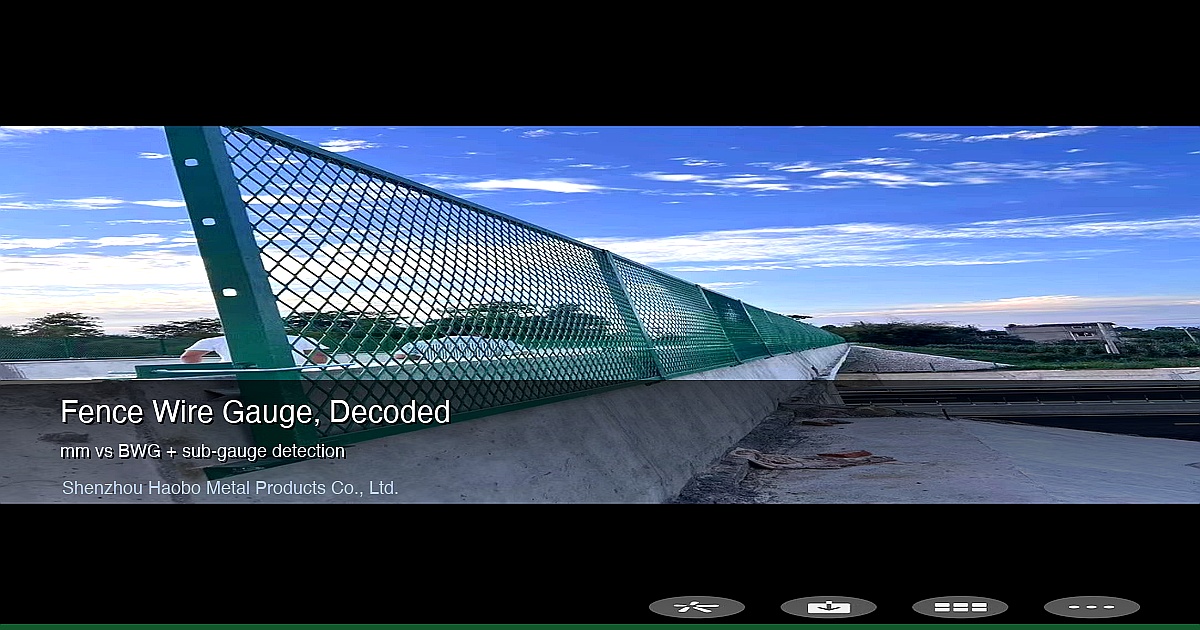
A customs broker in Manila once forwarded us a claim file that still gets brought up in our workshop. A developer had bought eleven containers of chain link fence through a middleman, and at the site warehouse the receiving crew ran a random check with a digital caliper. The packing list said 2.7 mm wire. The mesh in front of them measured 2.43 mm at the knuckle and 2.38 mm on the straight runs. Nobody at the receiving end knew whether that gap was a normal tolerance or a problem, because nobody had ever told them what the tolerance was supposed to be.
The gap was, in fact, the entire scam. Sub-gauge wire is the oldest trick in the fence trade: sell the customer one gauge, weave the fabric from wire one or two steps thinner, and pocket the difference on every square metre of every container. On paper the rolls look identical; on a scale, they do not. This guide is the briefing we give our own new customers before their first order - how fence wire gauge actually works, how to convert it, and the three checks that make short-gauge fabric impossible to hide.
One habit before anything else: when you send an enquiry, write the wire diameter in millimetres, not just the gauge number. "2.7 mm chain link" cannot be re-interpreted; "12 gauge chain link" can, because at least three different gauge systems can answer to that name.
Quick reference below
Why Fence Wire Gauge Runs Backwards (and Why That Costs People Money)
Fence wire gauge is a holdover from wire-drawing practice: the gauge number originally counted how many times a rod had been pulled through progressively smaller dies. More passes meant thinner wire, which is why a 9-gauge wire is thicker than an 11-gauge wire, and why newcomers to procurement get it exactly backwards. The numbering feels arbitrary because it is arbitrary - it is a historical artefact, not a design system.
The practical problem is that "gauge" is not one system. North American quotations usually mean BWG (Birmingham Wire Gauge); British drawings may use SWG; and the rest of the world has quietly moved to plain millimetres. The same word, "12 gauge", resolves differently in each:
| Label on the quotation | BWG (mm) | SWG (mm) | What this means for you |
|---|---|---|---|
| "12 gauge" | 2.77 | 2.64 | 0.13 mm of paid-for steel that can silently vanish |
| "14 gauge" | 2.11 | 2.03 | Same story, one step thinner |
| "11 gauge" | 3.05 | 3.25 | Here SWG is thicker - the ambiguity cuts both ways |
That 0.13 mm on "12 gauge" does not sound like much until you run the arithmetic that matters: fabric weight rises roughly with the square of wire diameter. Weave a roll from 2.5 mm wire instead of 2.77 mm and you have removed about 19% of the steel the customer believes they are paying for. On a multi-container order, that difference is someone's entire margin - taken out of your fence, one strand at a time.
Inspection note #1: When we issue a quotation, the line item reads the metric diameter first and the gauge in brackets after it - "2.7 mm (12 BWG nominal)". Ask every supplier to do the same, and the ambiguity is gone before the invoice exists.
A Chain Link Fence Gauge Chart You Can Actually Use
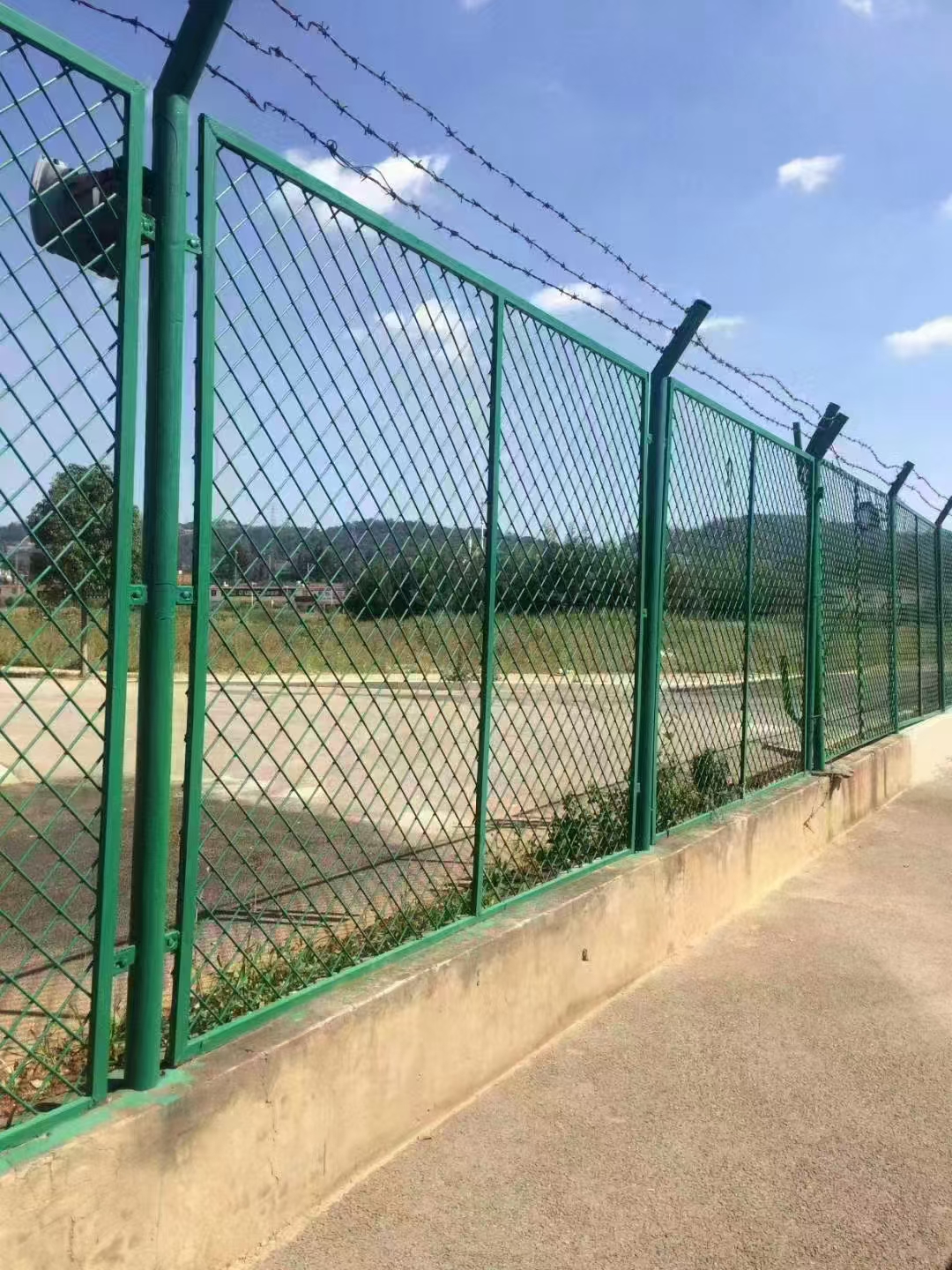
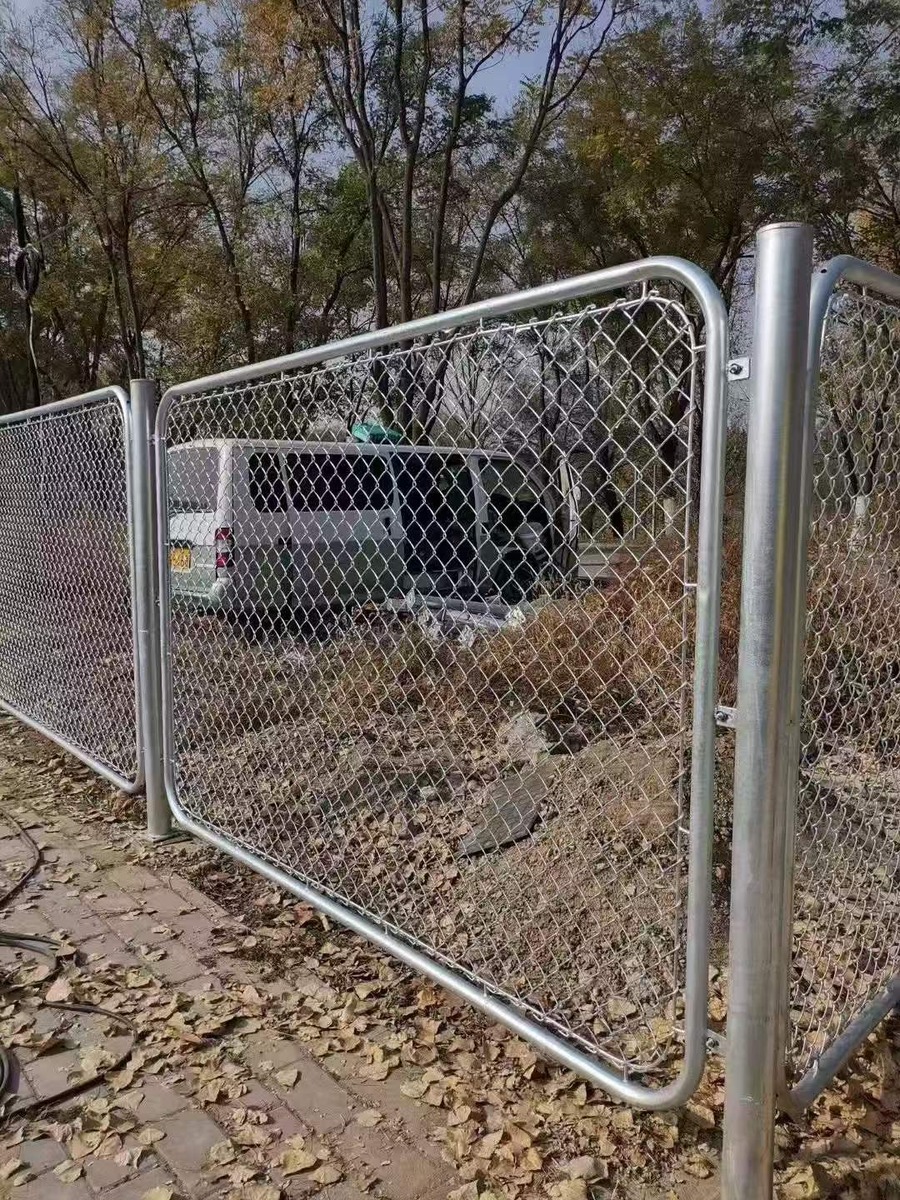
Most gauge charts circulating online list every gauge ever drawn, from needle wire to bridge cable. Buyers do not need that; they need the band of gauges that fence fabric is actually woven from, mapped to the applications they get quoted for. Here is the working version we keep on the quoting desk:
| Wire dia. (mm) | BWG nominal | Typical mesh (mm) | Where it belongs |
|---|---|---|---|
| 2.0 | 14 | 50×50 / 60×60 | Temporary hoarding, livestock, low-risk boundary |
| 2.5 | 12.5 | 50×50 / 60×60 | General commercial and municipal fencing |
| 2.7 | 12 | 50×50 / 60×60 | Industrial perimeters, airport outer zones |
| 3.0 | 11 | 50×50 | High-security perimeters, substations, ports |
| 3.5 | 9-10 | 50×50 / 60×60 | Military and prison grade, usually with razor wire |
Two things to notice in that chart. First, gauge is the single biggest price driver in any fence quotation - heavier wire means more steel per square metre, and steel is the cost. A 3.0 mm fabric can run on the order of double the price of 2.0 mm at the same aperture; that is material reality, not supplier greed. Second, mesh aperture matters nearly as much: tightening the aperture from 60×60 mm to 50×50 mm adds roughly 15-20% more wire per square metre. When two quotations differ wildly for "the same fence", the first place to look is not the profit margin - it is the two numbers (diameter and aperture) that the cheaper quotation quietly changed.
Welded mesh panels follow the same logic with one wrinkle: the weld. A panel's wire can be perfectly on-gauge and still fail if the welds are cold - spot-welded junctions that look fine in the container and pop apart under a first serious load. If you are buying welded panels rather than woven rolls, add a weld-strength certificate to your document list, not just a diameter certificate.
Quick Reference Below: The Weight Back-Check Method
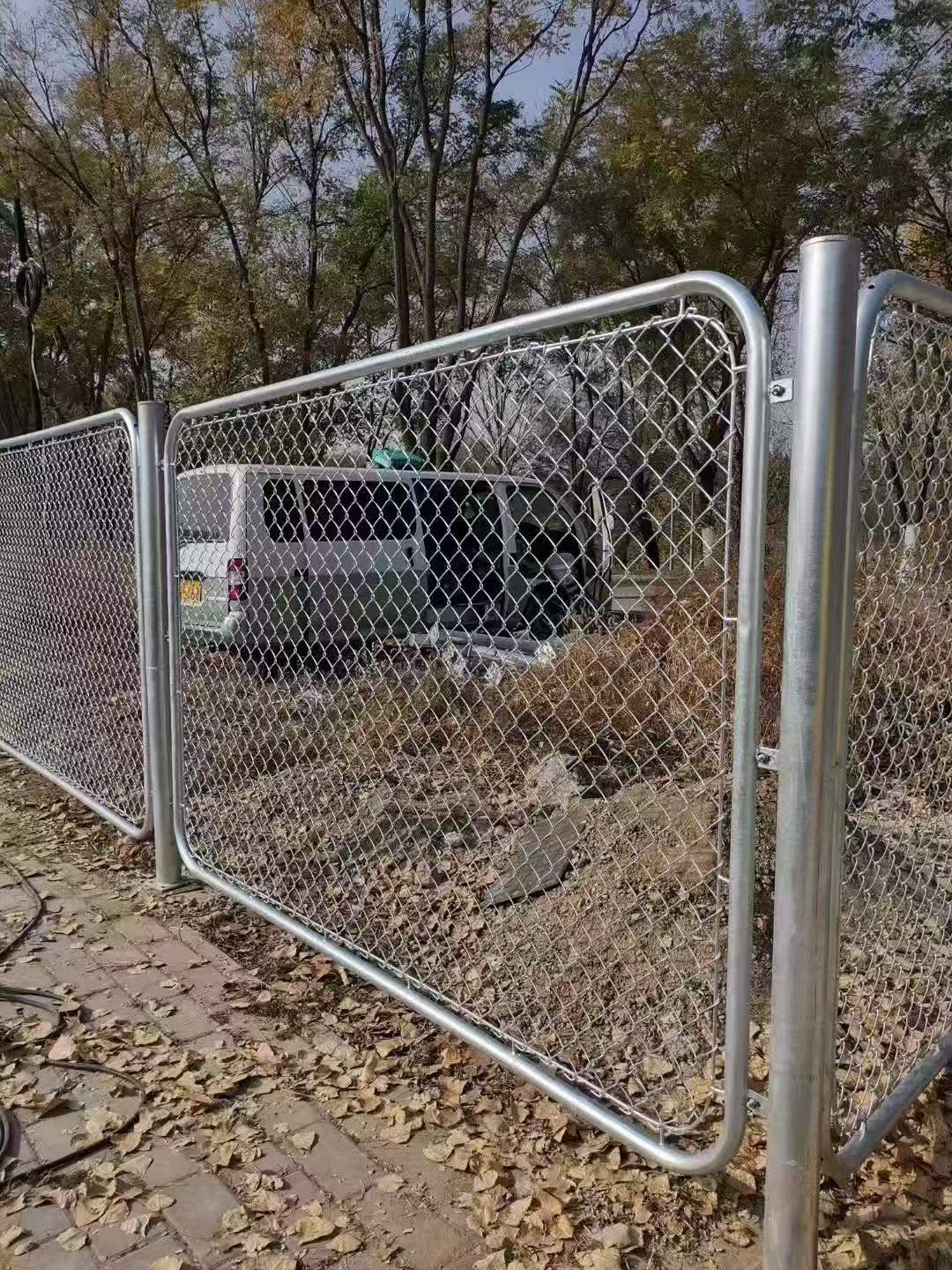
Here is the part of this guide that pays for itself: you do not need laboratory equipment to catch short-gauge fabric. You need a platform scale, a tape measure, and the arithmetic in this section. The method rests on one physical fact - the weight of a mesh panel or roll is a function of its wire diameter, its aperture, and nothing else. Weave it from thinner wire and the weight drops, predictably. Weight cannot be cosmetically upgraded the way a label can.
Start from the theoretical weight per square metre for common combinations (values below are our workshop's working figures for hot-dip galvanized wire, 50×50 mm aperture):
| Nominal wire dia. | Approx. weight (kg/m²) | If it actually weighs... | Verdict |
|---|---|---|---|
| 2.0 mm | ~1.7-2.0 | 15%+ below range | Sub-gauge - reject or re-price |
| 2.5 mm | ~2.5-2.8 | inside range | Consistent with label |
| 3.0 mm | ~3.6-3.9 | at the low edge | Borderline - micrometer next |
The procedure takes twenty minutes at a receiving dock. Unroll one roll, measure its true covered area (rolls are often a few percent short on length as well - measure, do not trust the label). Weigh the roll on the platform scale. Divide. Compare against the table. If the number is off by more than about 5%, something in the label is fiction - and the micrometer will tell you within a minute whether it is the diameter. We encourage our own customers to run exactly this check on our containers; a supplier who objects to being weighed is telling you something.
Inspection note #2: Measure wire on the straight runs, three strands in from the selvedge, and again mid-panel - not only at the knuckle. Knuckles are work-hardened during weaving and can read thick on honest fabric; crooked suppliers know this and spec their short wire accordingly. Five points per roll, record all five.
Hot Dipped Galvanized Fence Specifications: The Zinc Is the Fence
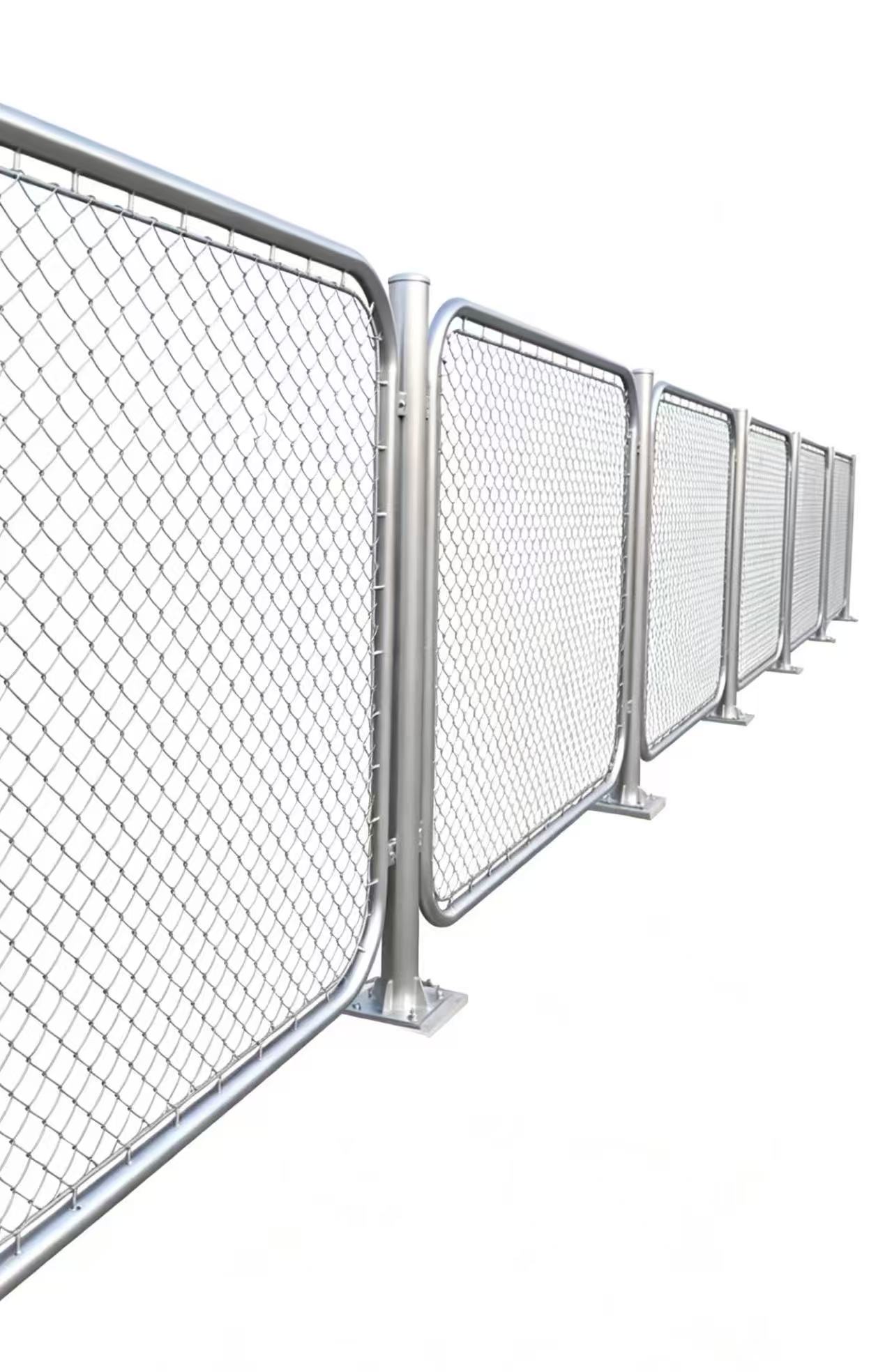
Wire diameter decides whether your fence is strong on day one; the zinc coating decides whether it still exists in year ten. Buyers obsess over gauge and then accept a one-line "galvanized" on the same quotation - which is like checking the engine of a car and ignoring the body in a coastal climate.
"Galvanized" spans a ruinous range. Electro-galvanized wire carries roughly 15-30 g/m² of zinc and can begin showing rust within a couple of wet seasons. Hot-dipped galvanized wire - what any serious perimeter project should specify - carries an order of magnitude more. Our export fabric is woven from wire hot-dipped to a minimum of 275 g/m², the floor set by GB/T 26941.1-2011 for fence mesh, and verified per heat number against GB/T 1839 test method. When a buyer asks for "ASTM-equivalent", that corresponds to the heavier commercial coating classes in ASTM A641/A653 territory - the point is not which code is printed, it is that a number in g/m² appears on the mill certificate, and that the number is not "galvanized, trust us".
There is a practical trade-off worth knowing as a buyer: heavier zinc slightly reduces the wire's weldability on welded panels and adds cost per tonne, which is exactly why thin coatings keep reappearing in low quotes. A supplier quoting dramatically below the market on "hot-dipped" fabric is very often recovering the difference in zinc - the defect you cannot see in the container, only in year three on site.
Inspection note #3: On a sample, zinc thickness can be checked non-destructively with a magnetic coating gauge in seconds; the instrument costs less than one pallet of mesh and lives in a jacket pocket. Ask your inspection service to bring one. Any reading far below 275 g/m² equivalent on "hot-dipped" fabric ends the conversation before the container is loaded.
What We Check Before a Container Leaves Tianjin (Copy This List)
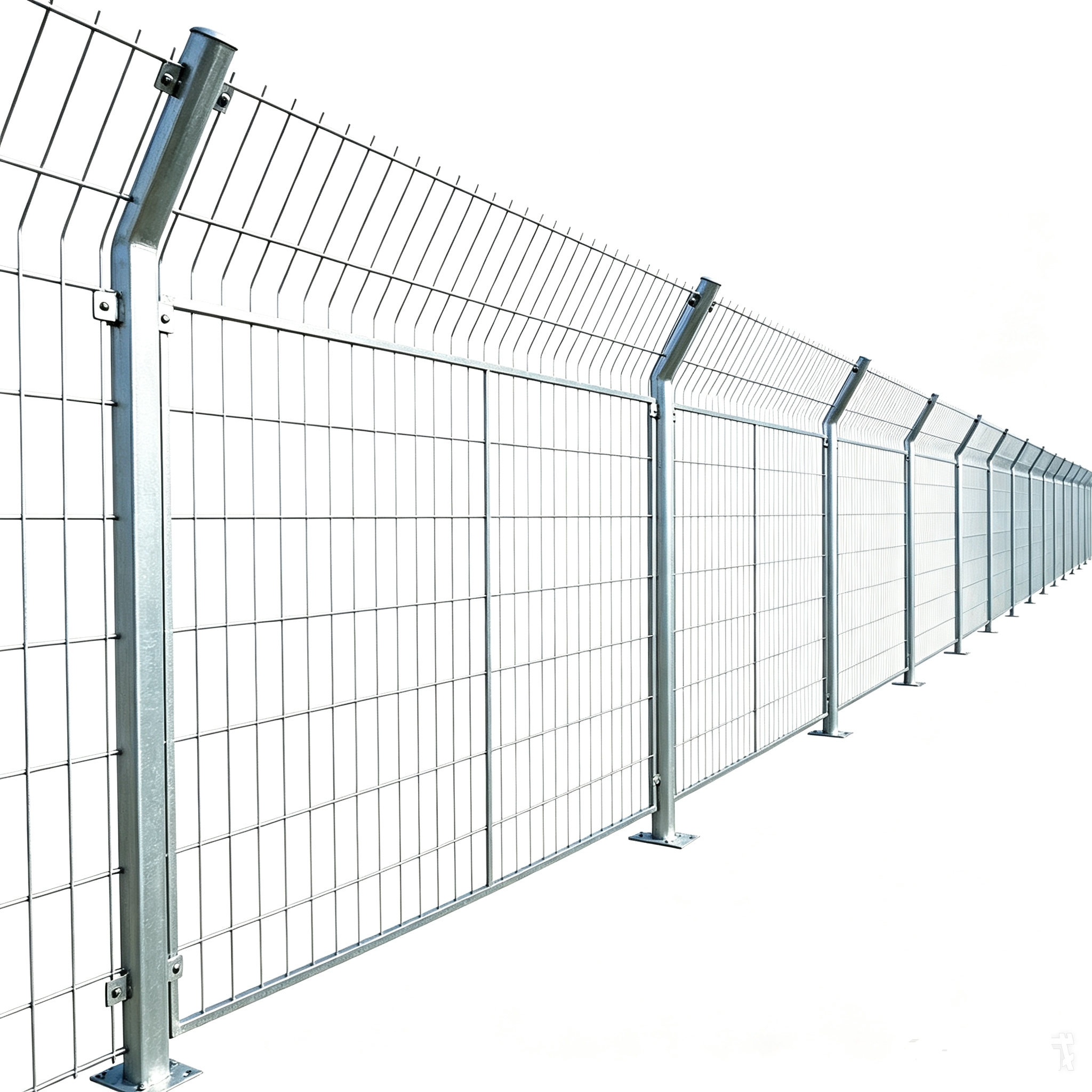
These are the checks our own packing crews run on fence orders, in the order they run them. Steal the list for your pre-shipment inspection - it works regardless of who manufactures the mesh:
1. Diameter by micrometer, five points per roll, three rolls per size. Digital caliper, zeroed before each roll, readings recorded not rounded. Straight runs and knuckles both, per note #2 above.
2. Roll weight versus computed weight. Platform scale, measured (not labelled) area, arithmetic from the table in this guide. A variance beyond about 5% triggers a full re-measure before anything ships.
3. Zinc verification per heat number. Mill certificates matched to the actual wire batches in the order, coating weight cross-checked against the gauge reading from note #3. A certificate for wire that is not in your container is wallpaper.
4. Aperture and selvedge checks. Aperture measured flat across ten diamonds per roll; selvedge (the finished top and bottom edge) checked for tight knuckling - loose selvedge is how honest-looking rolls start sagging three months after installation.
5. Packaging against your destination. Wet-season destinations get ventilated packing and desiccant; a container that sweats in transit can bloom with white zinc salts that look far worse than they are but will cost you a tense week of emails regardless.
None of this is exotic. Every item is something a third-party inspector can execute with a scale, a caliper, a coating gauge and a clipboard, for less than the cost of one rejected container. The Manila claim file from the opening of this article was settled, eventually, at a discount nobody was happy with - because the buyer had no baseline numbers in the contract to measure against. Put the numbers in the contract, and the argument never needs to start.
Questions buyers ask us about gauge
What does 12 gauge mean in fence wire?
In BWG, the system most North American quotations use, 12 gauge is a nominal 2.77 mm wire diameter. But gauge is not a single standard - in SWG, '12 gauge' resolves to 2.64 mm. Always write the metric diameter into the contract: '2.7 mm (12 BWG nominal)' cannot be re-interpreted; '12 gauge' alone can.
How do I check if my fence wire is sub-gauge?
Two checks catch nearly all cases: weigh a full roll on a platform scale and divide by its measured area - fabric weight is fixed by wire diameter and aperture, so a result more than about 5% below the theoretical weight signals thinner wire; then confirm with a digital caliper on the straight runs (not just the knuckles), five points per roll.
Is a higher fence gauge number stronger?
No - it is backwards. Wire gauge counts drawing passes, so a smaller number is thicker wire: 9 gauge (about 3.7 mm) is heavier than 11 gauge (about 3.0 mm), and 11 gauge is heavier than 14 gauge (about 2.1 mm). Strength, weight and price all rise as the gauge number falls.
What zinc coating should hot dipped galvanized fence have?
For serious perimeter fencing, specify hot-dip galvanized wire with a coating of at least 275 g/m2 - the floor set for fence mesh by GB/T 26941.1-2011 and consistent with the heavier commercial classes in ASTM equivalents. Electro-galvanized wire carries only 15-30 g/m2 and is unsuitable for multi-year outdoor perimeters.
How much cheaper is sub-gauge fence really?
Removing 0.2 mm from a 2.7 mm wire removes roughly 15% of the steel, and fabric weight rises with the square of diameter, so the short-gauge supplier pockets a double-digit percentage of every container's material cost. The discount offered to win the order is usually a fraction of what is taken out of the fence.
Getting the numbers right starts with the enquiry
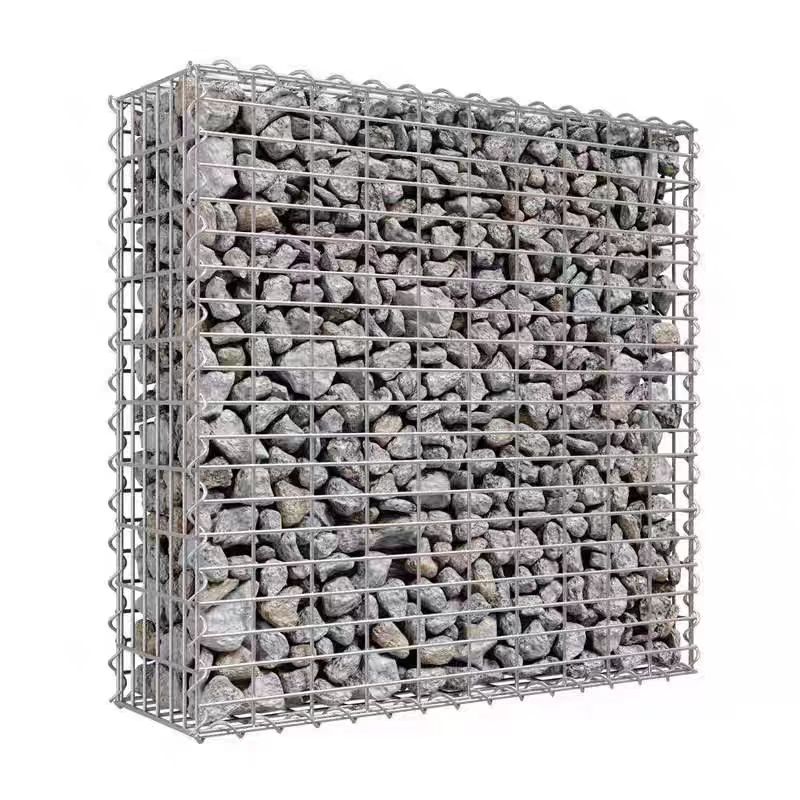
Send us the wire diameter in millimetres, the mesh aperture, the total area or roll count, and your destination port. We quote FOB Tianjin with the gauge, weight and zinc figures written into the line items - so your inspection team has baseline numbers to hold us to.
WhatsApp +86 15076321111 Email the specificationsShenzhou Haobo Metal Products Co., Ltd. · hot-dip galvanized fence mesh to GB/T 26941.1-2011 · FOB Tianjin