Gabion Retaining Wall Philippines: Cost-Effective Slope Stabilization Solutions
As infrastructure development accelerates across the Philippines, retaining walls are essential for slope stabilization in mountainous regions, highway construction, and commercial development. Gabion retaining walls offer a cost-effective, durable, and environmentally friendly alternative to traditional concrete structures.
Why Choose Gabion Retaining Walls in the Philippines
The Philippines' unique geography — with steep terrain, volcanic soil, and frequent seismic activity — makes slope stabilization a critical concern. Gabion retaining walls provide unmatched advantages:
- Earthquake Resistance: The flexible wire mesh structure can absorb seismic forces without catastrophic failure, unlike rigid concrete walls.
- Drainage Integration: Natural permeability eliminates the need for expensive drainage systems behind the wall.
- Local Material Use: Fill gabions with locally sourced stones to reduce transportation costs and support local economies.
- Quick Installation: Gabion walls can be installed 30-40% faster than concrete retaining walls, reducing labor costs.
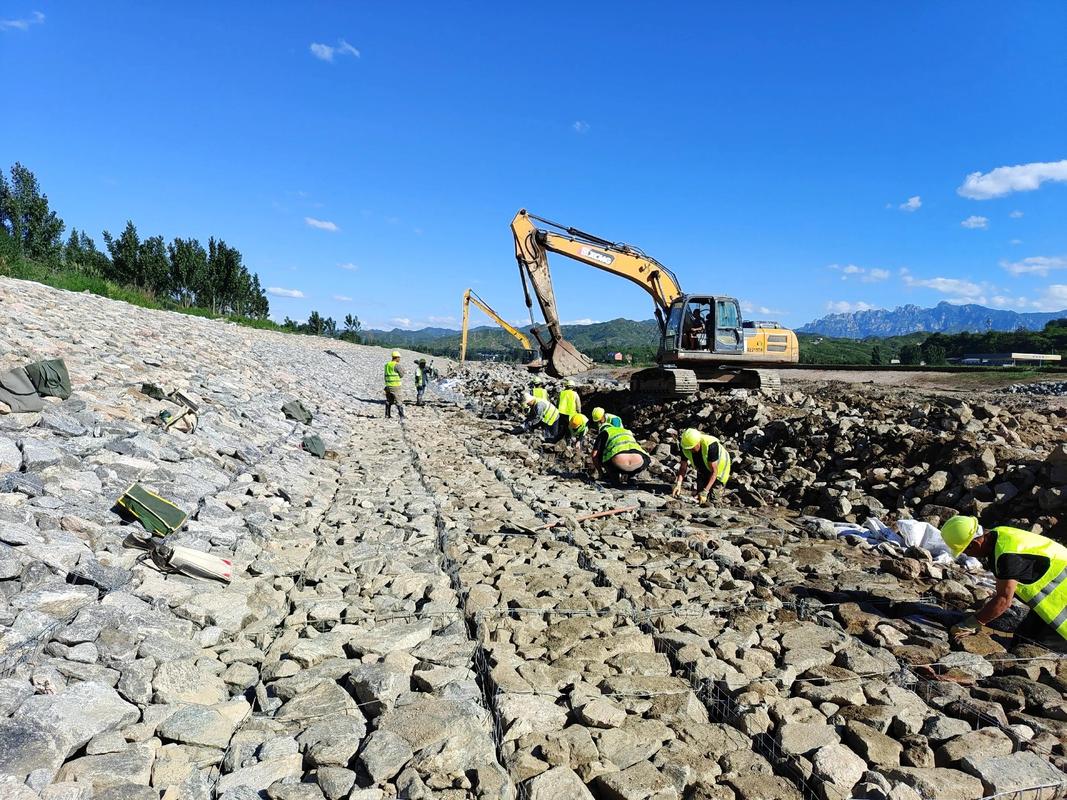
Cost Comparison: Gabion vs. Concrete Retaining Walls
| Factor | Gabion Wall | Concrete Wall |
|---|---|---|
| Material Cost | Lower (local stone fill) | Higher (cement, formwork) |
| Labor Cost | Moderate (simple assembly) | High (skilled workers needed) |
| Installation Time | Fast | Slow (curing required) |
| Maintenance | Minimal | Crack repair, sealing |
| Lifespan | 50-100 years | 30-50 years |
| Environmental Impact | Low (permeable, vegetation-friendly) | High (impermeable, heat island) |
Design Considerations for Philippine Projects
When designing gabion retaining walls for Philippine conditions, engineers should consider:
- Seismic Load: Design for Zone 4 seismic activity (0.40g peak ground acceleration) per NSCP standards.
- Rainfall Intensity: Account for up to 400mm/month during monsoon season in drainage calculations.
- Foundation Preparation: Ensure proper compaction of volcanic soil foundations, which can be loose and porous.
- Backfill Material: Use free-draining granular material behind the wall to prevent hydrostatic pressure buildup.
Typical Applications
Gabion retaining walls are used extensively in Philippine construction:
- Highway Projects: DPWH road widening and slope stabilization along mountain highways
- Commercial Development: Retaining structures for subdivisions and commercial buildings in sloped terrain
- Agricultural Terracing: Preventing soil erosion on hillside farms
- Land Reclamation: Shoreline protection and land development projects
Quality Standards for Export to Philippines
Haobo Metal manufactures gabion retaining wall systems meeting international standards:
- EN 10223-3 (European Standard for Gabion Mesh)
- ASTM A975 (American Standard for Double-Twisted Wire Mesh)
- ISO 9001 Quality Management Certification
All products undergo rigorous quality testing including wire tensile strength, zinc coating weight, and mesh dimension verification before export.
Request Your Project Quotation
Whether you need gabion baskets for a small retaining wall or a major highway project, Haobo Metal provides competitive pricing and reliable delivery to Philippine ports. Our engineering team can assist with specification selection and quantity calculations.